


A dog crate serves a purpose. It creates structure, supports routine, and gives a dog a place that feels safe and familiar. What it rarely does is blend into a home naturally. The sharp lines, exposed metal, and utilitarian feel can stand out in a space that’s otherwise thoughtful and lived-in.
That disconnect is usually what sparks the idea of designing a crate cover instead of buying whatever happens to fit. A well-designed cover changes how the crate functions and how it feels in the room. It can soften visual noise, support calmer behavior, and turn something purely practical into something that feels considered.
Designing your own dog crate cover is less about decoration and more about intention. It asks you to think through fit, fabric, airflow, and proportion, not as separate choices, but as parts of a single design decision. When those elements are handled well, the result feels permanent instead of temporary, and purposeful instead of improvised.
Why So Many Pet Parents Want to Design Their Own Dog Crate Cover
The desire to design a dog crate cover often comes from a simple place: you care about your home, and you care about your pet. You want the spaces you share to feel cohesive and calm. A bare crate can feel temporary and utilitarian, but a well-designed cover can make it a deliberate part of the room’s furniture.
Designing your own gives you control over every detail. Instead of settling for a generic, one-size-fits-all solution, you can specify the exact fabric, color, and features you need. Perhaps you want a material that matches your sofa, a color that complements your curtains, or a design that allows for better airflow. It’s a way to address the practical needs of crate training—like reducing visual distractions—while also satisfying a desire for a beautiful, put-together home.
For many, this process is also about creating something personal. It’s a project that bridges the gap between pet ownership and home styling. You get to think like a designer, considering how texture, pattern, and proportion will look in your space. This hands-on approach allows you to solve a common problem with a solution that is uniquely yours, ensuring the final piece feels less like a store-bought accessory and more like a thoughtful addition to your life with your pet.
Step One: Measure Your Dog’s Crate the Right Way
The foundation of a great crate cover is a perfect fit. A cover that is too tight will strain at the seams and be difficult to put on, while one that is too loose will look sloppy, sag, and potentially become a safety hazard if your dog pulls the excess fabric inside. Accurate measurements are non-negotiable.
To start, you’ll need a flexible measuring tape. Measure the three key dimensions of your crate:
- Width: Measure from the outside edge of the crate on one side to the outside edge on the other. Be sure to include any protruding hardware or hinges in your measurement. Do this at both the top and bottom of the crate and use the larger measurement.
- Depth: Measure from the front of the crate to the back, again from the outermost points. This ensures the cover will slide on smoothly without catching.
- Height: Measure from the very bottom of the crate (including the pan, if it sits below the frame) to the very top. If your crate has feet, decide whether you want the cover to hang to the floor or stop at the base of the crate.
Write these numbers down and double-check them. A common mistake is measuring the interior space, which will result in a cover that is too small. Always measure the crate’s full exterior footprint. This simple but crucial step is the difference between a cover that looks tailored and one that looks like an afterthought.
Why Guessing the Size Almost Always Leads to a Poor Fit
It’s tempting to use the manufacturer’s listed dimensions, but these can be misleading. They often refer to the interior space or represent an average that doesn’t account for model variations, slight manufacturing differences, or the space taken up by latches and corner reinforcements. Relying on these numbers is a gamble.
When you guess or estimate the size, you invite a host of small but frustrating problems. A cover that’s even a half-inch too small might not close properly, leaving a gap that defeats the purpose of providing a den-like space. It may pull awkwardly at the corners, creating a strained, misshapen look.
Conversely, a cover that’s too large presents its own set of issues. Excess fabric can droop over ventilation areas, restricting airflow. It looks untidy, like a poorly fitting blanket, and can slide around or bunch up. For puppies or curious dogs, a loose cover is an invitation to chew and pull. Taking a few extra minutes to get precise, custom crate cover measurements ensures the final product functions correctly and looks polished. It’s the first and most important step in creating something that truly works.
Step Two: Decide What You Actually Need the Crate Cover to Do
Beyond simply hiding the crate, a cover serves several functional purposes. Before you get lost in fabric swatches and patterns, take a moment to think about the problems you’re trying to solve. Is your dog easily distracted by household activity? Is the goal to create a darker, quieter space for naps? Or are you primarily focused on aesthetics?
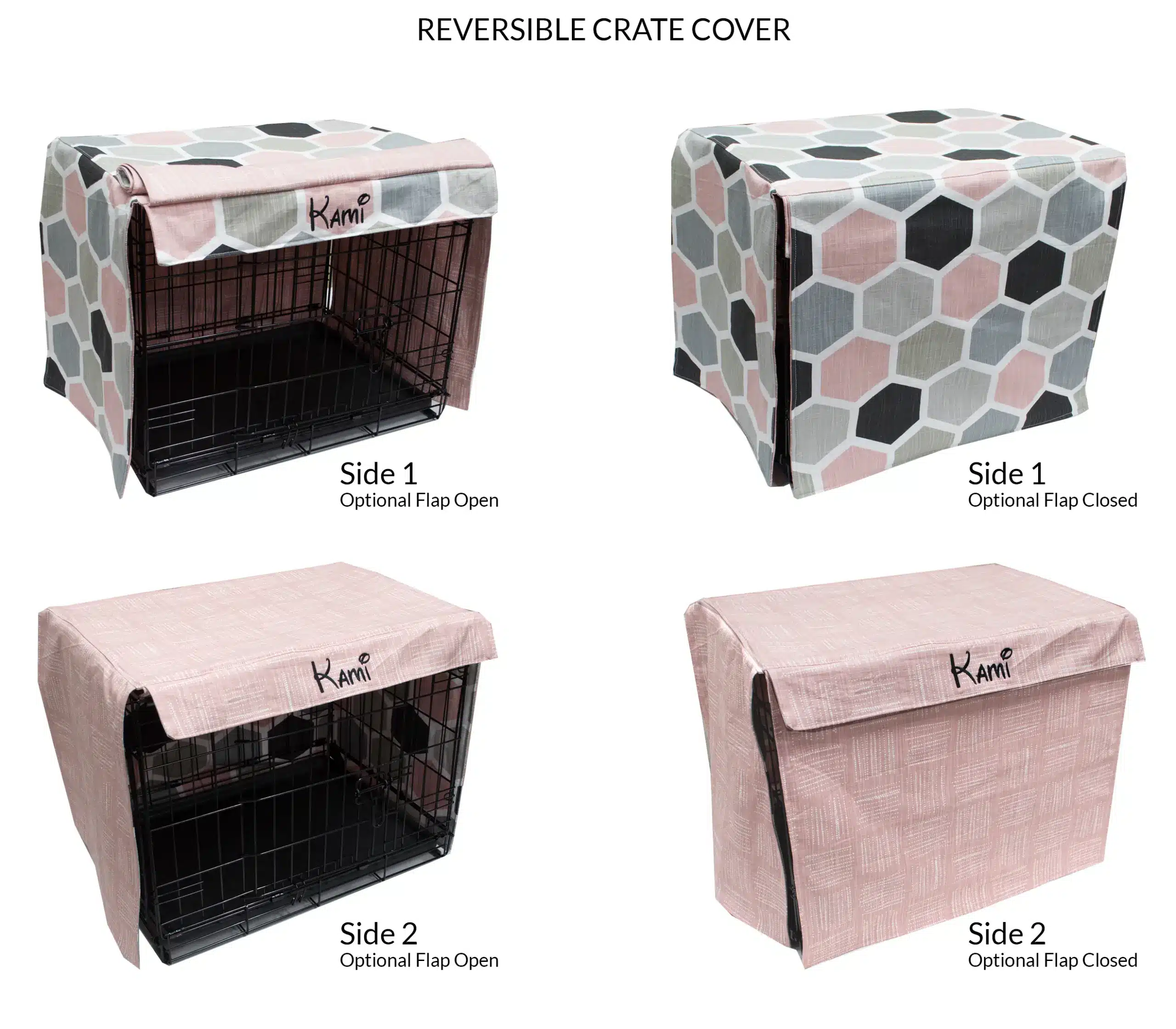
Consider the primary function first. If your dog has trouble settling down, you’ll want a design that prioritizes light control and visual blocking. This usually means a cover with panels that can roll down over the door and sides. If your dog is a heavy chewer or tends to get warm, your focus will shift toward durability and airflow.
The location of the crate also matters. A crate in a busy living room has different needs than one in a quiet bedroom. For a high-traffic area, you might want a cover that helps muffle household sounds. For a space that gets a lot of direct sun, a breathable, light-colored fabric might be more important to prevent the crate from getting too hot. Defining the cover’s job will guide your design choices and ensure you create something that is not only beautiful but genuinely useful.
Light Control, Noise Reduction, and Airflow All Matter More Than You Think
These three elements are at the heart of a functional crate cover, and balancing them is key. They directly impact your dog’s comfort and sense of security.
Light Control: Many dogs relax more easily in a darker, den-like environment. A cover helps create this by blocking out visual stimuli—the cat walking by, people moving around the room, or lights turning on and off. For anxious dogs, this can be incredibly calming. When designing, consider how much light you want to block. A heavy, opaque fabric will create a near-blackout effect, while a lighter-weight material will dim the space without making it completely dark. Roll-up panels offer flexibility, allowing you to adjust light levels as needed.
Noise Reduction: While no fabric will completely soundproof a crate, certain materials can help dampen ambient household noise. Heavier fabrics like canvas or twill can absorb more sound than thin cotton. This can be beneficial for dogs sensitive to the sounds of the vacuum cleaner, television, or conversations.
Airflow: This is arguably the most critical factor for your dog’s safety and comfort. A crate must always have adequate ventilation. When designing a dog crate cover, ensure that your fabric choice and design do not impede airflow. A breathable dog crate cover is essential. Look for natural fibers like cotton or linen, which allow air to pass through more freely than synthetic materials like polyester. Even with breathable fabric, it’s a good idea to design the cover so that one side can remain open or to include mesh windows, especially in warmer climates. Never sacrifice airflow for aesthetics.
Step Three: Choose Fabrics That Work in Real Homes, Not Just in Photos
The fabric you choose will define the look, feel, and longevity of your crate cover. While a beautiful pattern might catch your eye, the practical qualities of the material are what will determine your long-term satisfaction. The best fabric for a dog crate cover is one that balances durability, washability, and texture with your personal style.
Think about your daily life. Do you have a dog that sheds a lot? A fabric with a tight weave will be easier to wipe down. Is your dog a drooler or prone to accidents? Then a machine-washable material is a must. Don’t underestimate how often you’ll need to clean it. A crate cover should simplify your life, not add another complicated chore to your list.
Materials like cotton canvas, twill, and denim are popular choices for a reason. They are sturdy, hold their shape well, and can withstand regular washing. They offer a clean, classic look that works in many homes. If you prefer something softer, a heavyweight cotton or a blend with linen can provide a more relaxed feel while still offering good durability. Consider the texture as well. A smooth fabric will be less likely to snag on the crate, while a textured material can add visual depth.
Durability, Washability, and Texture Make a Bigger Difference Than Pattern Alone
A striking pattern can make a statement, but if the fabric pills, fades, or tears after a few washes, you’ll be left with a piece that looks worn and disappointing. Prioritizing the performance of the fabric will ensure your design effort pays off.
Durability: Your crate cover will see daily use. It will be leaned on, brushed against, and possibly pawed or nudged by your dog. A durable dog crate cover requires a fabric with a strong weave that resists snagging and tearing. Look for medium to heavyweight materials. A simple test is to hold the fabric up to the light; if you can see through it easily, it’s likely too thin to hold up over time. Durability ensures the cover maintains its structure and doesn’t become misshapen.
Washability: This is non-negotiable. Pets are messy. From muddy paws to shedding fur, your crate cover will need to be cleaned regularly. Always choose a machine-washable dog crate cover. Before you commit to a fabric, check its care instructions. Pre-washing your fabric before you cut and sew is also a wise step, as it preshrinks the material and prevents your perfectly fitted cover from becoming too small after the first wash.
Texture: The texture of the fabric affects both its look and function. A very rough texture might collect more pet hair, while an overly smooth, silky fabric might slide around on the crate. A fabric with a subtle, soft texture often provides the best balance, offering a pleasant feel while being practical for everyday use. Texture also contributes to the overall aesthetic, adding a layer of sophistication that goes beyond just color or pattern.
Step Four: Design for the Room, Not Just the Crate
A successful crate cover doesn’t just fit the crate; it fits the room. This is your opportunity to transform the crate from a standalone object into an integrated part of your home décor. Step back and look at the space where the crate lives. What are the dominant colors? What textures are present in the room’s furniture, rugs, and curtains?
Your goal is to create visual harmony. This doesn’t mean the cover has to match everything perfectly. Sometimes, a complementary color or a subtle pattern can be more effective than an exact match. If your room is decorated in neutral tones, the crate cover could be a place to introduce a soft accent color. If your style is more eclectic, you could choose a tasteful pattern that ties together different elements in the room.
Think of the covered crate as a piece of accent furniture, like an end table or a small cabinet. You would choose those pieces based on how they work with your sofa and chairs. Apply the same logic here. By designing for the room, you make the crate feel intentional. It becomes a stylish dog crate cover that looks like it belongs, rather than something you are trying to hide.
How Color, Pattern, and Fit Help a Crate Feel Intentional in Your Space
The visual details are what elevate a simple cover into a piece of dog crate cover home décor. Each element plays a role in making the crate feel like a deliberate choice.
Color: Color is a powerful tool for integration. Choosing a color that is already present in the room is the easiest way to create a cohesive look. Pick up a shade from your throw pillows, a piece of art, or your area rug. For a more subtle approach, select a neutral tone like charcoal, oatmeal, or navy that complements most color schemes. A crate cover that matches your home décor feels sophisticated and calm.
Pattern: A pattern can add personality, but it should be chosen with care. A large, bold pattern can overwhelm a small space or clash with existing décor. A small, repetitive pattern or a classic design like stripes or a simple geometric print is often a safer and more timeless choice. The key is balance. If your room is already busy with patterns, a solid-colored cover will create a restful visual moment. If your room is mostly solids, a tasteful pattern can add a touch of interest.
Fit: We come back to fit because it impacts the aesthetic just as much as the function. A crisp, tailored fit signals quality and intention. Straight seams, sharp corners, and a hem that hangs evenly all contribute to a polished look. A cover that drapes cleanly over the crate, without sagging or pulling, looks professional and considered. It’s this attention to proportion and structure that truly makes the crate feel like it belongs in the room.
Where Custom Dog Crate Covers Remove the Guesswork
The journey of designing your own crate cover is rewarding, but it highlights just how many details need to align for a perfect result. From getting the measurements exactly right to finding a fabric that is both beautiful and practical, there are many places where things can go wrong. This is where a custom dog crate cover can remove the stress and uncertainty from the process.
When you opt for a made-to-order crate cover, you are leaning on expertise. Professionals who create these covers daily understand the nuances of different crate models and the properties of various fabrics. They have refined their patterns to ensure a flawless fit and know which materials will stand up to the demands of life with a dog.
Instead of spending hours searching for the right fabric or worrying about your sewing skills, you can focus on the enjoyable part: the design. You still get to choose the colors, patterns, and features that suit your home and your pet’s needs. The difference is that you have a curated selection of high-quality, tested materials to choose from and the confidence that the final product will be crafted with precision.
Why Fit, Fabric Choice, and Proportions Are Hard to Get Right on Your Own
Even for a skilled crafter, creating a perfectly tailored crate cover is a challenge. Three areas, in particular, prove to be consistently difficult.
Fit: Crate dimensions are just the beginning. A truly great fit accounts for the placement of doors, latches, and handles. It requires a pattern that is designed for three dimensions, with seams that create clean lines and sharp corners. A homemade cover can often look boxy or soft, lacking the structure that gives a professional cover its polished appearance. Getting the proportions right so the cover hangs elegantly without bunching is a matter of skill and experience.
Fabric Choice: The world of fabrics is vast and can be overwhelming. A fabric that looks perfect on the bolt might behave unexpectedly once it’s washed and sewn. It might wrinkle excessively, attract pet hair, or prove difficult to work with. A personalized dog crate cover from a specialized maker comes with a curated selection of fabrics that have already been vetted for durability, washability, and aesthetic appeal. This saves you from costly and time-consuming trial and error.
Proportions and Details: The small details are what separate a good cover from a great one. This includes things like the width of the hem, the placement of ties or toggles for roll-up panels, and the reinforcement of seams. These details might seem minor, but they contribute significantly to the cover’s overall look and functionality. Getting these proportions right on your own requires a designer’s eye and a sewer’s precision, something that is difficult to achieve without specific experience.
When Made-to-Order Makes More Sense Than Trial and Error
There comes a point in many DIY projects where the investment of time, energy, and money no longer feels worthwhile. You might find that the perfect durable, washable fabric is more expensive than you anticipated. You might spend a weekend cutting and sewing, only to find the fit isn’t quite right. The process of learning and correcting mistakes can be frustrating, and the results may not live up to your vision.
Choosing a made-to-order crate cover is an acknowledgment that your time and peace of mind have value. It’s a decision to invest in a guaranteed outcome: a high-quality dog crate cover that fits perfectly, is made from beautiful and durable materials, and looks exactly how you envisioned. It transforms the process from one of potential frustration to one of enjoyable customization.
This path isn’t about giving up on having something personal. On the contrary, it’s about achieving a personalized result without the risks of a complex DIY project. You are still the designer, making the creative choices that matter. The difference is that the execution is left in the hands of an expert, ensuring the final piece is something you will be proud to have in your home for years to come.
Designing Your Own Works Best When Fit and Fabric Are Handled Intentionally
The essence of a successful crate cover lies in the intentional handling of fit and fabric. Whether you choose to create it yourself or work with a custom maker, these two elements are the pillars of quality. An intentional approach means you are not just covering a crate; you are thoughtfully designing a functional and beautiful piece for your home.
When you design your own crate cover through a made-to-order service, you are combining your vision with professional craftsmanship. You get to focus on expressing your style, knowing that the technical aspects are being managed with expertise. The fabric has been chosen for its performance, the pattern has been perfected for an impeccable fit, and the construction is handled with a level of precision that is difficult to replicate at home.
Ultimately, the goal is the same: to create a calm, comfortable space for your dog and to seamlessly integrate the crate into your home. A made-to-order solution ensures that your design intentions are fully realized, resulting in a piece that is both practical and beautiful, without the trial and error.
Common Questions About Designing Your Own Dog Crate Cover
Is It Better to DIY a Dog Crate Cover or Buy a Custom One?
The best choice depends on your skills, time, and priorities. If you are an experienced sewer with a good understanding of fabrics and pattern making, a DIY project can be a fulfilling way to create something completely unique. However, if you value a professional finish, a guaranteed fit, and high-quality, pre-vetted materials, buying a custom one is often the more reliable path. The custom vs DIY dog crate cover decision comes down to whether you enjoy the process of making as much as the final product. A made-to-order cover offers the joy of design without the labor of execution.
What’s the Most Common Mistake People Make When Designing a Crate Cover?
The most common mistake is inaccurate measurement. People often guess, use the manufacturer’s dimensions, or measure the inside of the crate instead of the outside. This single error leads to a poor fit, which undermines the entire project both functionally and aesthetically. The second most common mistake is choosing a fabric based on pattern alone, without considering its durability, washability, or suitability for a pet-friendly home.
How Do I Know If a Custom Crate Cover Is Worth It for My Home?
A custom crate cover is worth it if you value a seamless and intentional look in your home. If you’ve invested time and effort into your décor and the sight of a standard metal crate disrupts that aesthetic, a custom solution is a worthwhile investment. It’s also worth it if you want to ensure the cover is perfectly safe and comfortable for your dog, with optimal airflow and a secure fit. It’s a choice that elevates a functional pet item into a thoughtful piece of your home’s design.
Give Your Pet the Comfort They Deserve
Crafted by hand, built to last, and designed to match your home. Create the perfect bed for your best friend.
Customize Their Bed
0 Comment