



A dog crate tends to announce itself the moment it enters a room. The shape is rigid, the materials are industrial, and no matter how thoughtfully the rest of the space is styled, the crate can feel like it belongs somewhere else entirely.
That tension is what makes crates frustrating for design-minded pet owners. You want your dog to have a space that feels safe and familiar, but you also want your home to feel cohesive and finished. The problem isn’t the crate itself. It’s the lack of intention around how it’s integrated.
When you approach a crate the same way you would any other piece of furniture, the dynamic changes. Proportion, fabric, color, and fit start to matter. Instead of trying to disguise the crate, you shape it to work with the room. That shift is what allows a crate to settle in quietly, doing its job without disrupting the space around it.
Why Dog Crates Often Feel Out of Place in Finished Rooms
The fundamental reason a dog crate often clashes with home decor is simple: it wasn’t designed for its looks. Dog crates are products of utility, engineered for safety, containment, and portability. Their primary purpose is function, with form taking a distant back seat. The materials are chosen for durability and ease of cleaning—metal wire, hard plastic—and their shapes are dictated by manufacturing efficiency.
This utilitarian design ethos is at odds with the principles of residential interior design. In our homes, we surround ourselves with objects that have texture, warmth, and personality. Our furniture has clean lines, our textiles are chosen for their feel, and our color palettes are selected to create a specific mood. A standard dog crate introduces an element that is cold, hard, and industrial. It disrupts the visual harmony, creating a focal point for all the wrong reasons and often making a finished room feel suddenly incomplete. This is why styling a dog crate in the living room is such a common challenge for design-conscious pet owners.
Utility Design vs. Residential Spaces
The conflict between a dog crate and a well-designed room comes down to a clash of environments. Utility design is about raw function, while residential design is about creating a human-centric experience.
Utility Design: This prioritizes strength, low cost, and efficiency. Think of a workshop tool or a piece of commercial kitchen equipment. The lines are hard, the materials are industrial, and there is no attempt to soften its appearance. A dog crate is born from this world. Its grid of wires or molded plastic shell is visually “loud,” creating a busy pattern that draws the eye and feels out of sync with the calmer surfaces in a home. The common desire for a solution on how to hide a dog crate stems from this basic visual conflict.
Residential Design: This focuses on comfort, cohesion, and emotional response. We choose furniture and decor that feel good to look at and live with. Textures are layered, colors are balanced, and silhouettes are carefully considered. When a dog crate enters this space, its industrial nature creates a dissonance. It looks like an object that belongs in a different place, and this feeling of “not belonging” is what makes it feel so disruptive to the dog crate home design.
Start Treating the Crate Like a Piece of Furniture
The most effective way to solve the dog crate dilemma is to change your mindset. Instead of seeing it as an unfortunate necessity to be concealed, start treating it as a piece of furniture waiting to be styled. Think of it as a bare end table or an unadorned console. It has a solid form and occupies a specific footprint in your room. Your task is to dress it in a way that allows it to join the rest of your decor.
This shift in perspective opens up a world of possibilities. You stop thinking about hiding and start thinking about integrating. The goal is no longer to make the crate disappear but to elevate it. A styled crate doesn’t just look better; it feels more permanent and intentional. It becomes a legitimate part of the room’s landscape, providing a comfortable den for your dog without compromising your home’s aesthetic.
What Changes When You Style a Crate Instead of Covering It
Styling is a more nuanced approach than simply covering. It implies a series of deliberate choices that work together to create a cohesive look. When you style a crate, you are curating its appearance.
From Hiding to Highlighting: Instead of a droopy blanket that screams “I’m hiding something ugly,” a well-styled crate with a decorative dog crate cover becomes a point of quiet interest. A stylish dog crate isn’t necessarily loud; it can be a beautiful, understated element that contributes to the room’s overall design. It’s about turning a negative into a neutral or even a positive.
Creating a Functional Surface: A properly covered crate with a sturdy top can double as a functional surface, much like an end table. You can place a lamp, a stack of books, or a small plant on top, further cementing its role as a piece of furniture. This not only makes the crate more useful but also helps it blend in visually.
A Finished Look: The ultimate goal is to achieve a dog crate furniture look. This means the lines are clean, the fabric is high quality, and the overall impression is one of polished completeness. It no longer looks like a cage with a cloth thrown over it. It looks like a custom piece, designed to be exactly where it is.
Choosing Fabrics That Blend Into a Room, Not Compete With It
The single most important element in styling a dog crate is the fabric you choose for its cover. The right material can instantly transform the crate from an industrial object into a soft, textural piece that harmonizes with its surroundings. The key is to select a fabric that speaks the same visual language as the other textiles in your room—your sofa, curtains, and throw pillows.
Many people make the mistake of choosing a loud, busy pattern for their crate cover, thinking it will make the crate more fun or decorative. In reality, a bold pattern on a large object often does the opposite. It draws more attention to the crate and can make a room feel cluttered and chaotic. The goal of sophisticated styling is integration, not competition. You want the crate to become a quiet, confident part of the room, not the star of the show.
Why Subtle Materials Create a More Cohesive Space
In interior design, cohesion is achieved when all the elements in a room feel like they belong together. Subtle, high-quality materials are the secret to making a dog crate cover feel like a natural part of this landscape.
Focus on Texture: Instead of a loud pattern, consider a fabric with a beautiful texture. A heavyweight cotton canvas, a soft brushed twill, or a linen blend adds tactile interest without overwhelming the eye. Texture provides richness and depth, making the cover look and feel more like high-end upholstery. This approach is central to achieving a sophisticated dog crate cover home décor look.
Blend, Don’t Shout: The most effective way to make a crate feel integrated is to choose a fabric that allows it to blend with its surroundings. This doesn’t mean it has to be boring. It means selecting a color and material that complements your existing decor. A crate cover that blends with furniture creates a seamless, layered look, rather than introducing a new, competing element.
Timeless Over Trendy: A stylish dog crate cover is one that feels timeless. While bold, trendy patterns can be fun, they often have a short lifespan and can make a room feel dated quickly. Classic solids, subtle stripes, or small-scale geometric patterns in sophisticated colorways will look just as good in five years as they do today.
Color and Texture Basics for Crate Styling
Choosing the right color and texture for your crate cover is less about following rigid rules and more about understanding a few basic design principles. The goal is to create a look that feels balanced, calm, and intentional. By focusing on neutrals, soft patterns, and natural textures, you can style a crate cover that elevates your space.
Neutrals are the foundation of timeless design for a reason: they are incredibly versatile and create a serene backdrop. Soft patterns can add a touch of personality without overwhelming the room, while natural textures provide warmth and a connection to organic materials. Combining these elements allows you to create a modern dog crate cover that is both stylish and soothing.
How Neutrals, Soft Patterns, and Natural Textures Work Together
These three elements are the building blocks of a successfully styled crate cover.
The Power of Neutrals: A neutral dog crate cover is almost always a winning choice. Shades of grey, beige, cream, navy, and charcoal are sophisticated and calming. They don’t compete for attention and can easily coordinate with almost any color scheme. A neutral palette allows the crate to recede visually, becoming a quiet part of the room’s architecture rather than a focal point. This is one of the most effective dog crate cover color ideas for creating a cohesive space.
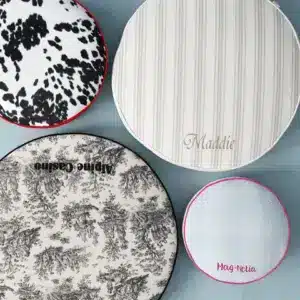
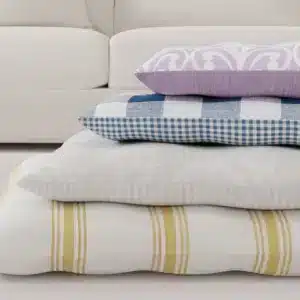
Subtle and Soft Patterns: If you want to incorporate a pattern, think subtle. A classic ticking stripe, a small herringbone, or a delicate pinstripe can add visual interest without creating chaos. The key is scale. A small, repeating pattern reads almost like a texture from a distance, adding depth without being distracting.
The Warmth of Natural Textures: The feel of the fabric is as important as its look. Natural fibers like cotton and linen have a matte finish and a soft hand-feel that is inherently more inviting than the slick, shiny surface of many synthetics. A heavyweight cotton canvas or a sturdy linen blend has a visual weight that feels substantial and permanent, much like the upholstery on a high-quality sofa.
Why Custom Sizing Makes Styling Easier From the Start
All the styling choices in the world—the perfect color, the most beautiful fabric—will fall flat if the crate cover doesn’t fit properly. A poor fit instantly undermines the entire effort, resulting in a look that is sloppy and unintentional. Sagging fabric, bunched corners, and an uneven hem all signal “makeshift,” which is the very impression you are trying to avoid.
This is why custom sizing is the foundation of successful crate styling. A cover that is made to the exact dimensions of your crate provides the clean lines and tailored structure necessary for a truly polished look. It is the difference between an off-the-rack suit and a bespoke one. The precision of the fit is what allows the crate to truly look and feel like a piece of custom furniture.
Clean Lines, Proper Proportions, and a More Intentional Look
A tailored dog crate cover provides the structural base upon which all other styling choices are built. Its benefits are both aesthetic and practical.
Clean Lines: A made-to-measure crate cover has perfectly straight seams and crisp, 90-degree corners that mirror the crate’s frame. This creates a clean, architectural silhouette that is pleasing to the eye. There are no awkward drapes or sags to distract from the form.
Proper Proportions: Custom sizing ensures all the elements are in proportion. The height is correct, so the hem just skims the floor. The width and depth are exact, so the fabric is taut but not strained. If there are roll-up panels for the doors, they are sized perfectly to fit the openings, creating a neat and orderly appearance whether they are up or down.
An Intentional Look: Ultimately, a custom dog crate cover looks intentional. It communicates that every detail was considered. This level of precision is what transforms the crate from a mere container into a designed object. It is the most critical step in making the crate a seamless and sophisticated part of your home.
Common Styling Questions About Dog Crates
How Do You Make a Dog Crate Look Good in a Living Room?
Treat it like an end table. Start with a made-to-measure cover in a neutral, high-quality fabric that complements your sofa or chairs. Ensure the fit is perfect to create clean, architectural lines. If the crate is sturdy, place a tray on top to create a stable surface for a small lamp, a stack of books, or a vase. This not only makes the crate more functional but also visually anchors it as a piece of furniture.
What’s the Best Crate Cover for a Modern Home?
For a modern home, focus on minimalism, clean lines, and natural textures. The best choice is often a custom-fit cover in a solid, neutral color like charcoal grey, black, or oatmeal. Opt for a heavyweight, matte fabric like cotton canvas or a linen blend to avoid any cheap-looking shine. The key is the fit—a perfectly tailored cover with crisp corners will feel intentional and align with the principles of modern design.
Does a Custom Crate Cover Really Make a Visual Difference?
Yes, the difference is significant and immediate. A generic or DIY cover often looks messy, with sagging fabric and an uneven fit that draws negative attention. A custom crate cover provides a sharp, tailored silhouette that transforms the crate into a piece of intentional furniture. The clean lines, perfect proportions, and high-quality fabric elevate the entire look, allowing the crate to blend seamlessly and elegantly into your home.
Give Your Pet the Comfort They Deserve
Crafted by hand, built to last, and designed to match your home. Create the perfect bed for your best friend.
Customize Their Bed
0 Comment