


Choosing a color for a new piece of furniture can be a thoughtful process. You consider the light in the room, the other pieces you own, and the feeling you want to create. But when it comes to a dog crate cover, that same decision can feel surprisingly complicated. It’s an object that needs to work for your pet’s comfort and your home’s aesthetic, and finding the right balance between the two can feel daunting.
The process should be enjoyable, not stressful. It’s an opportunity to transform a purely functional item into something that genuinely enhances your space. This isn’t about finding a “perfect” choice but about making a confident one. By approaching the decision with a bit of interior design logic, you can select colors and patterns that not only look beautiful but also feel right for your home, creating a calm and cohesive space for everyone.
Why Choosing a Crate Cover Color Feels Harder Than It Should
If you’ve ever found yourself scrolling through endless fabric options, feeling more confused than inspired, you’re not alone. The simple task of picking a color or pattern for a crate cover can quickly lead to decision fatigue. You’re not just choosing a color; you’re making a choice for a significant object that will live in your main living space.
The pressure comes from a few places. A crate is a large, boxy shape, and covering it means you’re adding a substantial block of color or pattern to a room. You want to get it right. There’s also the desire to find something that both you and your dog will love, balancing your style with their need for a calm, comfortable den. It’s a purchase you hope to make only once, so the stakes feel higher.
Too Many Options, Not Enough Context
The core of the problem is often an abundance of options without the right context. When faced with dozens of dog crate cover colors, from bold prints to subtle neutrals, it’s easy to become overwhelmed. Without a clear framework for making a decision, every option can seem equally plausible—or equally risky.
You might ask yourself: Will this bright pattern feel too busy in a year? Is this light neutral too boring? Will it show dirt? These questions arise because you’re looking at the fabric swatches in isolation. The secret to making a confident choice is to stop looking at the options and start looking at the room where the crate will live. Your space already holds all the clues you need. By narrowing your focus to what already exists, the crate cover design choices become much clearer and simpler.
Start With What’s Already in the Room
The most effective way to choose a color or pattern for your crate cover is to let the room lead. Instead of trying to find a fabric that “pops” or makes a statement on its own, look for one that speaks the same language as your existing decor. A crate cover shouldn’t be an isolated design element; it should feel like part of a cohesive conversation with everything else in the space.
Walk into the room and take inventory of the major visual elements. Look at the color of your sofa, the wood tones of your furniture, the texture of your rug, and the color of the walls. These are the foundational pieces of your room’s palette. A successful crate cover will either blend quietly into this palette or complement it intentionally. By using your room as a guide, you anchor your decision in what you already know works, which dramatically simplifies the process and ensures a harmonious result.
Matching a Crate Cover to Furniture, Flooring, and Existing Textiles
Creating a cohesive look doesn’t mean everything has to be a perfect match. A more sophisticated approach is to think in terms of coordination and tonal harmony.
Coordinate with Furniture: Look at your largest upholstered piece, usually the sofa. Choosing a dog crate cover that matches furniture in the same color family is a safe and elegant choice. If you have a grey sofa, a crate cover in a slightly lighter or darker shade of grey will feel connected without being identical. This creates a pleasing visual rhythm.
Pull from Your Rug: An area rug is often the design anchor of a room. If your rug has multiple colors, pulling one of the less dominant accent colors for your crate cover can be a beautiful way to tie the room together. For example, if your rug is mostly cream and grey with a small navy detail, a navy crate cover can look incredibly chic and intentional.
Consider the Flooring: The floor is a huge surface that influences the feel of the room. For a dog crate in the living room placed on a warm hardwood floor, a cover in a warm beige, taupe, or even a deep olive green can create a rich, grounded look. On a cool-toned floor, like concrete or grey tile, a cooler grey or blue would feel more at home.
The goal is to make the crate cover feel like it belongs to the family of objects in your crate cover home décor, not like a distant cousin who just showed up.
Using Pattern to Soften the Crate’s Hard Lines
A dog crate is inherently geometric—a box made of hard lines and right angles. While a solid color can be a great choice, sometimes a subtle pattern can be even more effective at softening this rigidity. A pattern introduces a sense of movement and organic flow that counteracts the crate’s boxy nature, making it feel less like a cage and more like a piece of soft furniture.
The key is to choose a pattern that adds warmth without adding visual noise. This isn’t the place for loud, overwhelming prints that compete for attention. Instead, think of patterns that feel classic, calm, and textural. A good pattern should invite the eye to rest rather than jarring it. It’s a way to add a layer of personality and depth to the crate, making it a more interesting and integrated part of the room’s design.
How Subtle Prints Can Add Warmth Without Visual Clutter
A subtle print can make a large object feel lighter and less monolithic. It breaks up the surface, creating a visual texture that is more forgiving and inviting than a flat, solid color.
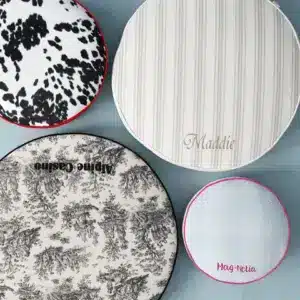
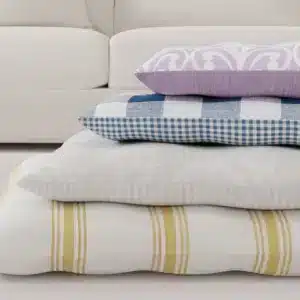
Classic Stripes: A timeless ticking stripe or a simple pinstripe is a perfect example of a pattern that works. From a distance, it reads as a soft texture, but up close, it reveals a clean, orderly design. A patterned dog crate cover with a vertical stripe can even create the illusion of height, making the crate feel a bit more elegant.
Small-Scale Geometrics: Think of a small herringbone, a delicate windowpane check, or a tiny repeating dot. These dog crate cover patterns add a touch of sophistication and detail without being distracting. They feel more like a classic textile you’d find on a tailored blazer or a high-end blanket.
Organic Motifs: A subtle floral or a soft, abstract design can also work beautifully to counteract the crate’s hard lines. Look for designs with a hand-drawn quality and a limited color palette. These types of stylish dog crate cover patterns can make the crate feel softer and more approachable, blending the line between pet gear and home decor.
When Keeping Things Simple Is the Better Choice
While patterns can be beautiful, there is a quiet confidence in simplicity. A solid-colored crate cover is often the most timeless and versatile choice you can make. It provides a clean, uninterrupted block of color that can ground a space and create a sense of calm. In a room that already has a lot going on—a patterned rug, colorful art, and plenty of decorative objects—a simple crate cover can be a welcome visual pause.
Choosing a solid color doesn’t mean the result has to be boring. The richness comes from the quality of the fabric, the precision of the fit, and the rightness of the color choice. A solid cover in a beautiful, durable material has an elegance that transcends trends. It’s a choice that communicates a sense of order and intention, allowing the crate to blend seamlessly into the background.
Why Solid Colors Often Age Better Than Bold Designs
Trends come and go, but a classic solid color is forever. A bold, geometric print that feels exciting today might feel dated and distracting in a few years. A simple dog crate cover in a sophisticated neutral, however, will continue to look just as good.
Timeless Versatility: A neutral dog crate cover in a shade like charcoal, oatmeal, navy, or cream is incredibly versatile. If you decide to repaint your living room or buy a new sofa, a neutral cover is likely to still work beautifully with your new scheme. It adapts to changes in your home’s decor, making it a wise long-term investment.
Focus on Form: A solid color places the emphasis on the cover’s form and fit. When there is no pattern to distract the eye, the quality of the craftsmanship—the straight seams, the crisp corners, the perfect hem—becomes the star. This is what gives a modern dog crate cover its high-end, architectural look.
Creating a Calm Den: For your dog, a solid, dark color can be more effective at creating a den-like atmosphere. A dark, solid fabric blocks more light and provides fewer visual distractions, which can help an anxious or easily stimulated dog settle and relax.
Why Customization Helps You Avoid Second-Guessing Later
The process of choosing a color or pattern can be fraught with “what ifs.” What if I get tired of it? What if it doesn’t look as good in person? This second-guessing often comes from the limitations of off-the-shelf products, where you are forced to choose from a small, pre-selected range of options that might not be quite right.
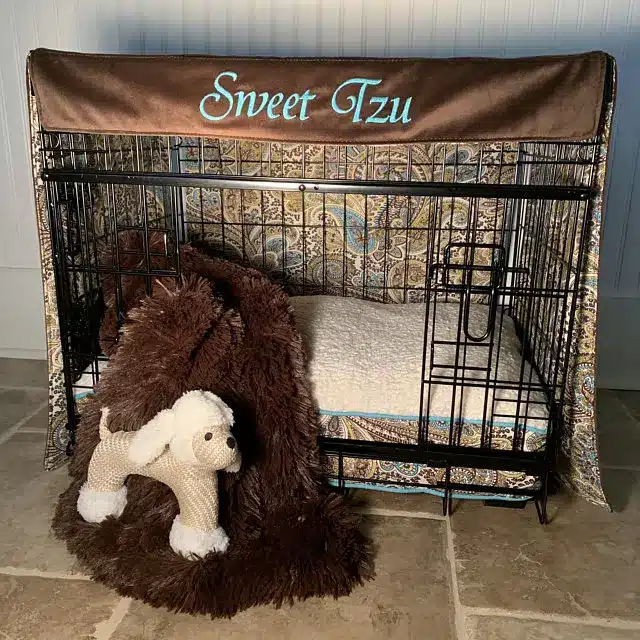
This is where the true value of a custom dog crate cover reveals itself. Customization isn’t just about getting a unique product; it’s about gaining the confidence that comes from making a deliberate, considered choice. When you are able to select the exact fabric, color, and fit for your specific needs, you are not just buying a product—you are co-creating a solution. This sense of ownership and intention eliminates the guesswork and leads to a much deeper, more lasting satisfaction.
Choosing Once, With Intention, Instead of Replacing Over Time
The benefit of a personalized dog crate cover is that it allows you to solve the problem completely, right from the start.
Perfect Fit, Perfect Look: Many design ideas, especially those that rely on clean lines and a structured silhouette, are only possible with a custom fit. A custom cover is made to your crate’s exact dimensions, ensuring the fabric is taut and the corners are sharp. This precision is what makes it look like a piece of furniture, and it’s something a one-size-fits-all cover can never achieve.
Material Confidence: With customization, you are in control of the material. You can choose a durable, washable, high-quality fabric that you know will stand up to life with a pet. This removes the worry that a cheaper, mass-produced cover will rip, fade, or fall apart after a few washes.
A Lasting Decision: The custom crate cover benefits are about longevity. By investing the time to choose the perfect fabric and ensure the perfect fit, you are creating a piece that you will be happy to live with for years. You avoid the frustrating and wasteful cycle of buying a temporary fix, being disappointed, and having to replace it. Choosing with intention means choosing once.
Common Questions About Dog Crate Cover Colors and Patterns
What Color Dog Crate Cover Works in Most Homes?
A sophisticated neutral is almost always a safe and stylish bet. Colors like charcoal grey, oatmeal beige, and deep navy are incredibly versatile. They are dark enough to create a cozy den for your dog and to be forgiving of a little dirt, yet they are classic enough to coordinate with a wide range of interior styles. These colors don’t compete for attention, allowing them to blend seamlessly into most living rooms or bedrooms.
Are Patterns or Solid Colors Better for Crate Covers?
It depends entirely on the room and your personal style. Solid colors are generally more timeless, versatile, and create a calmer visual effect. They are a great choice for rooms that already have a lot of pattern or for achieving a minimalist, modern look. Patterns can be wonderful for softening the crate’s hard lines and adding a touch of personality, but they should be chosen carefully. Opt for subtle, classic prints like ticking stripes or small-scale geometrics to avoid overwhelming the space.
How Do I Choose a Crate Cover I Won’t Get Tired of?
To choose a design with staying power, prioritize timelessness over trends. Start by looking at your existing decor and choose a color or pattern that complements it, rather than one that stands out. Opt for high-quality, natural-feeling fabrics like cotton canvas or linen blends, which age gracefully. A custom fit will also contribute to long-term satisfaction, as a perfectly tailored cover will always look more intentional and polished than a sloppy, generic one. When in doubt, a simple, solid neutral is a choice you are unlikely to regret.
Give Your Pet the Comfort They Deserve
Crafted by hand, built to last, and designed to match your home. Create the perfect bed for your best friend.
Customize Their Bed
0 Comment