








Thinking “I want to adopt a small dog” is often the first step toward a beautiful friendship. These compact companions pack a lot of personality into a small package, making them wonderful additions to many homes. Adopting a small dog not only saves a life but also brings immense joy and love into yours.
This guide will walk you through everything you need to know about adopting a small dog. We will explore the benefits, what to consider before you commit, and the small dog care basics that ensure a happy, healthy life for your new best friend. Get ready to learn how to provide the perfect home for a deserving pup.
Why Adopt a Small Dog?
Choosing to adopt a small dog can be one of the most rewarding decisions you ever make. They offer unique advantages and fit seamlessly into various living situations, bringing companionship and fun wherever they go.
Benefits of adopting a small dog
Small dogs are often easier to manage in smaller living spaces like apartments or condos. Their lower food consumption means a smaller grocery bill, and they are generally less expensive to care for than their larger counterparts. Plus, traveling with a small dog is much simpler, as many can fit comfortably in a carrier under an airplane seat or on your lap during a road trip.
Common reasons people say “I want to adopt a small dog”
Many people find themselves drawn to smaller breeds for practical reasons. They might be first-time dog owners looking for a manageable companion or seniors who want a lap dog without the physical demands of a large, high-energy animal. The desire for a close, cuddly bond is a powerful motivator, and small dogs are experts at snuggling.
How small dogs fit into different lifestyles
Whether you live in a bustling city or a quiet suburb, a small dog can adapt. They are perfect for apartment dwellers who can meet their exercise needs with daily walks and indoor play. They also thrive in larger homes where they can explore a yard, as long as it’s securely fenced. From active singles to growing families, there is a small dog to match nearly every lifestyle.
What to Consider Before Adopting a Small Dog
Adopting a small dog is a long-term commitment. Before you bring a new friend home, it is vital to understand the responsibilities involved and ensure you are prepared to provide a loving, stable environment.
Understanding the responsibilities of adopting a small dog
A small dog depends on you for everything: food, water, shelter, exercise, and medical care. This is a commitment that can last 15 years or more. You must be ready for the financial costs, which include vet visits, grooming, and high-quality food. You also need to dedicate time each day for walks, playtime, and training.
Matching energy levels and temperament with your household
Not all small dogs are couch potatoes. Breeds like Jack Russell Terriers have boundless energy, while others like the Pug are more content with a relaxed pace. Consider your own activity level and the dynamics of your household. If you have young children, look for a sturdy, patient breed that is known to be good with kids.
Small Dog Care Basics Every Owner Should Know
Proper small dog care is the foundation of a long and happy life together. From nutrition to training, understanding these basics will help you become a confident and capable pet parent.
Feeding and nutrition for small dogs
Small dogs have fast metabolisms and require nutrient-dense food formulated for their size and life stage. It is easy to overfeed them, which can lead to obesity and related health problems. Follow the feeding guidelines on the dog food packaging and consult your veterinarian to determine the right portion sizes. Always provide fresh, clean water.
Exercise needs for small breeds
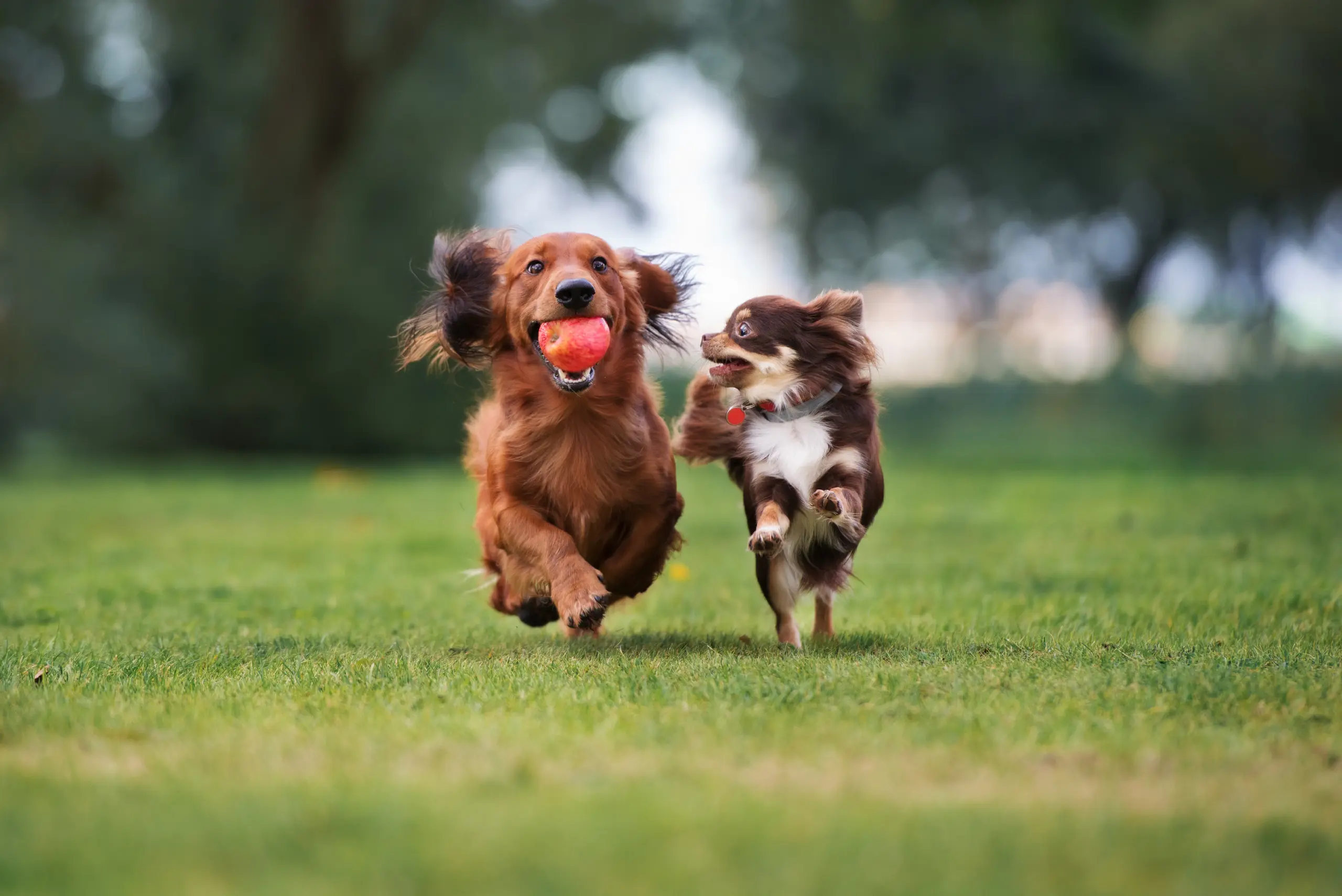
While they may have little legs, small dogs still need regular exercise to stay healthy and happy. Daily walks, combined with indoor playtime, are usually sufficient. Some more energetic breeds may enjoy activities like fetch or agility training. Physical activity prevents boredom, reduces destructive behaviors, and strengthens your bond.
Grooming tips for small dog breeds
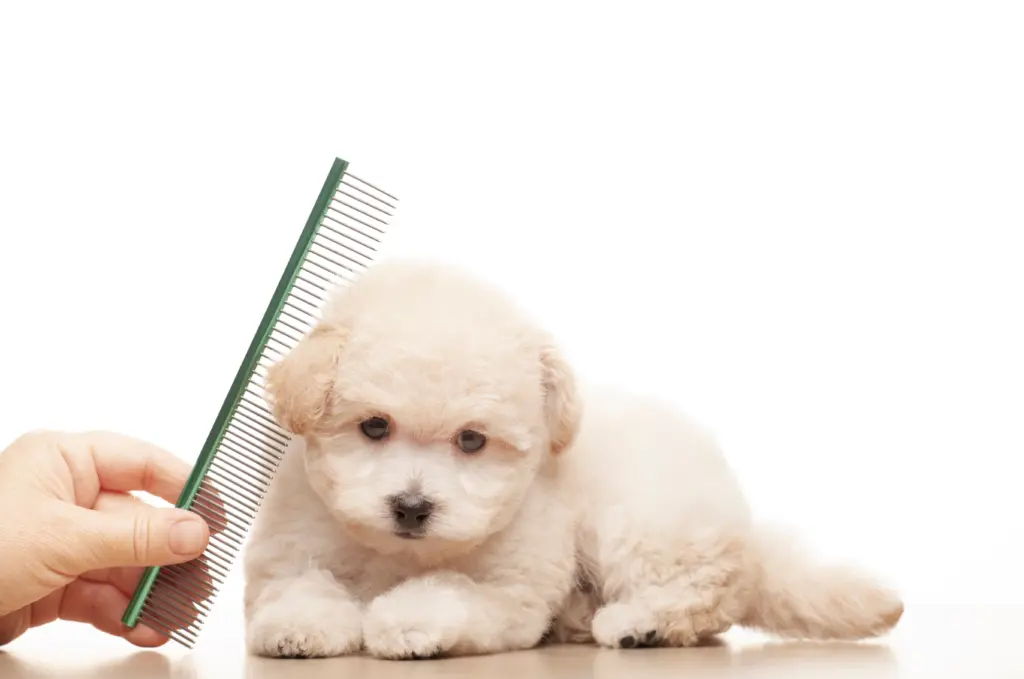
Grooming needs vary widely among small breeds. Long-haired dogs like the Shih Tzu require daily brushing to prevent mats, while short-coated breeds like the Chihuahua need less frequent care. Regular nail trims, ear cleaning, and dental care are essential for all small dogs to prevent discomfort and health issues.
Training and socialization essentials
Early socialization and consistent positive reinforcement training are crucial. Exposing your puppy or dog to various people, places, and other animals in a positive way helps them grow into a well-adjusted adult. Basic obedience commands like “sit,” “stay,” and “come” establish communication and keep your dog safe.
Featured Products


 Blanket
The perfect accessory to add to your J’adore Custom Pet Bed, these blankets come with your choice of three fabrics to perfectly coordinate with your bed
Starting at $74.99 Bone Pillow
Treat your pet like the King or Queen they are! A designer Bone Pillow makes the perfect addition to your pet’s bedding and come with your choice of 3 fabrics so they can coordinate with their style perfectly
Starting at $49.99Creating a Safe and Comfortable Home for Your Small Dog
Your home is your dog’s sanctuary. Making it a safe and comfortable space is one of the most important aspects of small dog care from the very first day.
Home setup: small dog care starts with their space
“Dog-proof” your home by securing loose wires, storing cleaning chemicals out of reach, and removing any toxic plants. Set up a designated area for your dog with their food and water bowls. A crate can serve as a safe, den-like space for them to retreat to when they need quiet time.
Why a custom dog bed makes a difference in comfort and health
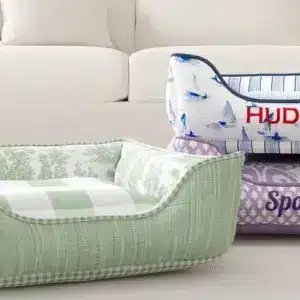
A high-quality, supportive dog bed is more than a luxury; it’s an investment in your dog’s health. For small dogs, a comfortable bed provides a sense of security and a cozy spot to rest. Orthopedic beds can support their joints, which is especially important for senior dogs or breeds prone to skeletal issues. Having their own bed keeps them off furniture and gives them a space that is exclusively theirs.
Safety considerations for small dogs indoors and outdoors
Their small size makes them vulnerable to unique dangers. Indoors, be mindful of leaving doors open or small objects on the floor that could be choking hazards. Outdoors, always use a leash and a well-fitting harness, as small dogs can easily slip out of collars. Supervise them in yards to protect them from predators or escape.
Health and Wellness for Small Dogs
Proactive health care is key to ensuring your small companion lives a long, vibrant life. Understanding common health issues and focusing on preventive care can make all the difference.
Common health issues in small breeds
Certain health conditions are more prevalent in small dogs. These can include dental disease due to crowded teeth, tracheal collapse, patellar luxation (dislocated kneecaps), and heart conditions. Being aware of these potential issues allows you to monitor for symptoms and seek early veterinary care.
Preventive care and vet visits
Regular check-ups with your veterinarian are essential for vaccinations, parasite control, and early detection of health problems. Annual dental cleanings are often recommended to prevent painful periodontal disease. Maintaining a healthy weight through proper diet and exercise is one of the best forms of preventive care.
Mental stimulation and enrichment activities
A bored dog is often an unhappy dog. Keep your small dog’s mind engaged with puzzle toys, treat-dispensing games, and training sessions. Rotating their toys can keep things interesting. These activities prevent boredom, build confidence, and can help reduce anxiety.
Giving Your Small Dog the Best Life Possible
Your relationship with your adopted dog is a journey. With love, patience, and attention, you can build an unbreakable bond and create a lifetime of happy memories together.
Building strong bonds with your adopted pup
Spend quality time with your dog every day. Cuddles on the couch, fun training sessions, and shared adventures all strengthen your connection. Learn to read your dog’s body language to understand their needs and feelings. Trust and affection are built through consistent, positive interactions.
Travel and lifestyle adjustments for small dog owners
Owning a small dog may require some lifestyle adjustments, but they are often easy to incorporate. You might choose pet-friendly vacation spots or find a reliable pet sitter for times you can’t take them with you. Their portable size makes it easier to include them in many of your daily activities.
Long-term happiness and care tips
Consistency is key to a dog’s happiness. A predictable routine for feeding, walks, and bedtime helps them feel secure. Continue to provide mental and physical enrichment throughout their life, adjusting activities as they age. Most importantly, shower them with love and affection.
Conclusion: Adopt with Love, Care with Commitment
Making the choice to adopt a small dog is a promise to love and care for them for their entire life. The journey is filled with wet-nosed kisses, wagging tails, and unconditional love. By understanding their needs and committing to their care, you give a deserving dog the greatest gift of all: a safe and loving home.
If you are ready to change a life—both yours and a dog’s—consider adoption. Shelters are full of small dogs waiting for someone just like you. Adopt responsibly, care for them with your whole heart, and prepare for an incredible friendship.
FAQs About Adopting a Small Dog
What should I know before adopting a small dog?
You should understand their exercise, grooming, and training needs, as well as any breed-specific health concerns.
Is it easier to care for a small dog compared to a large dog?
Not always—small dogs may need less space, but they often require more attention to diet, training, and handling.
How do I prepare my home for a small dog?
Create a safe space, remove choking hazards, and provide a comfortable bed, toys, and feeding area.
What are common health issues in small dogs?
Dental problems, joint issues, and hypoglycemia are some of the most common concerns in small breeds.
Give Your Pet the Comfort They Deserve
Crafted by hand, built to last, and designed to match your home. Create the perfect bed for your best friend.
Customize Their Bed
0 Comment