Adopting a Dog: Essential Tips for a Forever Home
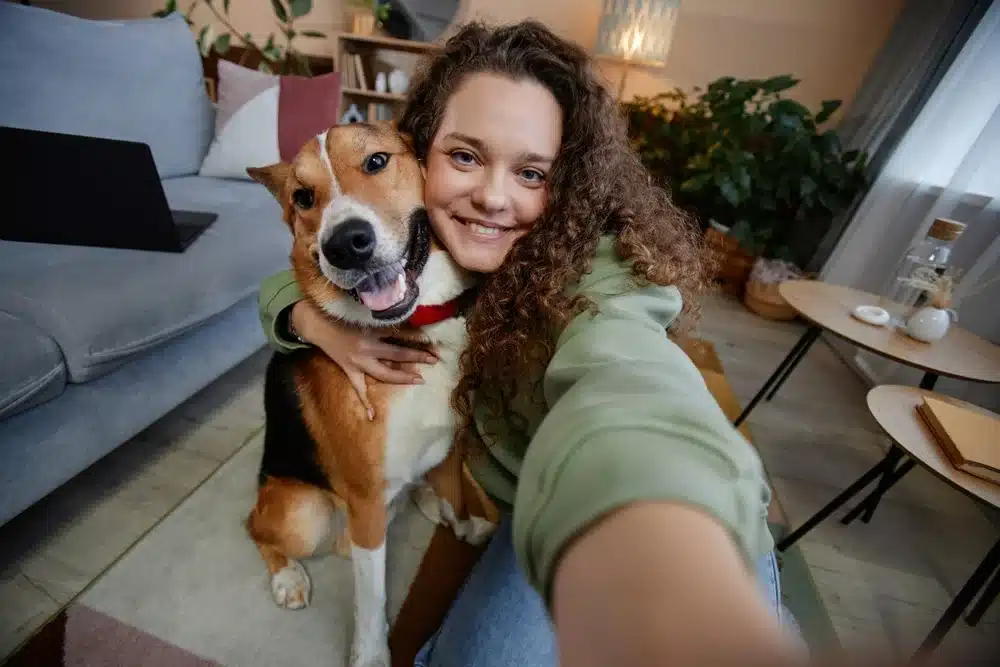
Bringing a dog into your life is a deeply rewarding experience. When you choose to adopt, you’re not just getting a new pet; you’re giving a deserving animal a second chance at a happy life. This guide will walk you through the different paths to adoption and provide essential tips to ensure a smooth transition for both you and your new furry family member.

Why Adoption Matters
Each year, millions of companion animals enter shelters nationwide, all looking for a loving home. By choosing adoption, you become a crucial part of the solution to pet overpopulation.
Benefits of Adopting Instead of Buying
Adopting a dog offers numerous advantages. You save a life, and the adoption fee you pay helps the shelter or rescue care for other animals. Adopted dogs often come with a known history, have received initial veterinary care like vaccinations and spaying/neutering, and many are already house-trained. Plus, you get the immense satisfaction of knowing you gave a homeless dog a family.
Types of Dog Adoption
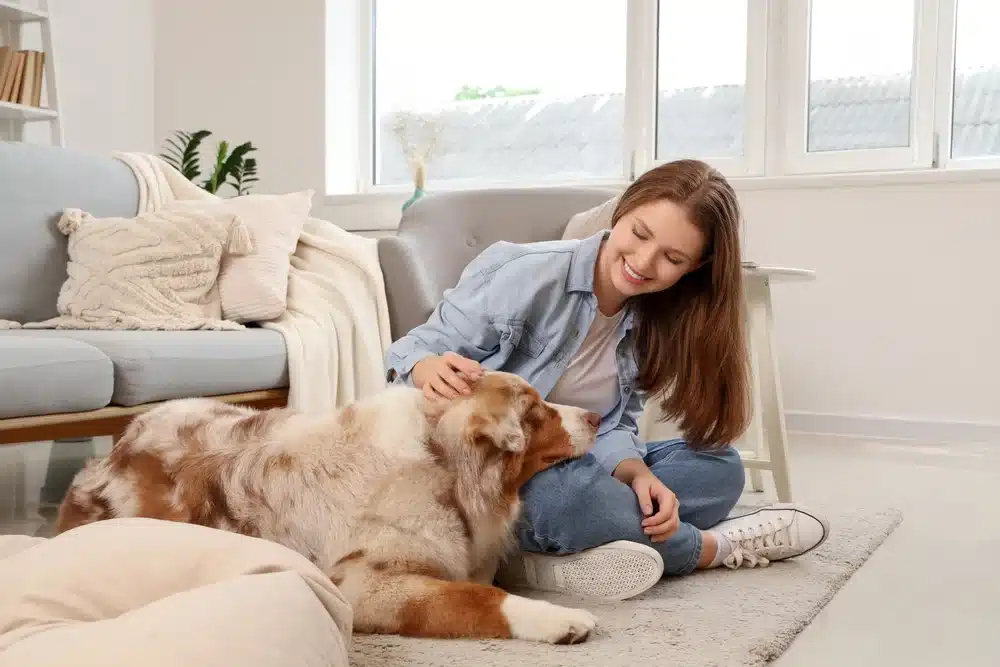
There isn't just one way to adopt a dog. Understanding the different avenues can help you find the perfect match for your family.

Shelter Adoption
Local animal shelters are often the first place people look when considering adoption. These facilities, which can be run by municipalities or non-profit organizations, care for stray, surrendered, and abandoned animals.
What to expect when adopting from a local shelter
When you visit a shelter, you’ll typically fill out an application and meet with an adoption counselor. They will ask questions about your home, lifestyle, and experience with pets to help you find a suitable companion. You will have the opportunity to meet and interact with dogs to see whose personality clicks with yours.Pros and cons of shelter adoption
Shelters offer a wide variety of dogs in terms of age, breed, and size. Adoption fees are generally lower than at other organizations. However, the environment can be stressful for dogs, so their true personality might not shine through immediately. The background of a stray dog might also be completely unknown.
Rescue Organization Adoption
Rescue organizations are typically non-profits that are dedicated to saving dogs from high-kill shelters or specific situations.
Difference between rescues and shelters
Unlike shelters that have a physical facility, many rescues are run by a network of volunteers and foster homes. This means the dogs live in a home environment, allowing their true temperament to be better assessed. The adoption process for a rescue can often be more intensive, sometimes involving home visits.
Breed-specific rescues and their advantages
If you have your heart set on a particular breed, a breed-specific rescue is a great option. These organizations have deep knowledge about the breed’s temperament, health issues, and needs. This expertise helps ensure that you and the dog are a perfect long-term fit.
Foster-to-Adopt Programs
Some organizations offer foster-to-adopt programs, which provide a trial period before you finalize the adoption.
How fostering before adopting works
You take the dog home as a foster, giving it a temporary place to live. During this time, which can last from a few days to a few weeks, you can see how the dog fits into your daily life. If it’s a good match, you proceed with the formal adoption.
Benefits of foster-to-adopt for families and dogs
This approach is fantastic for first-time owners or families with children or other pets. It reduces the risk of a “failed” adoption by allowing both you and the dog to adjust to one another. For the dog, it means less stress and a smoother transition from shelter life to a forever home.
Private Rehoming or Direct Adoption
Sometimes, owners must rehome their pets due to unforeseen circumstances like a move, allergies, or financial hardship.
Adopting directly from an individual or family
You can find these opportunities through community boards, social media, or word of mouth. This allows you to get a detailed history of the dog directly from the previous owner.
Important questions to ask in private adoption
When pursuing a private adoption, be thorough. Ask about the dog’s health history, behavior around kids and other animals, training level, and why they are being rehomed. Request veterinary records to verify their health status.
What You Need to Know Before Adopting a Dog
Being prepared is key to a successful adoption. A little self-reflection and planning go a long way.
Understanding Your Lifestyle and Commitment
A dog is a long-term commitment, often for 10-15 years. It’s vital to honestly assess if you are ready for this responsibility.
Time, space, and energy considerations
Do you have time for daily walks, training, and playtime? Is your living space large enough for the type of dog you want? Consider your energy level—an active husky might not be the best fit for someone who prefers quiet evenings at home.
Matching dog breeds or temperaments to your lifestyle
Research different breeds and mixes to find one that aligns with your lifestyle. An adoption counselor can be an invaluable resource, helping you look beyond a cute face to find a dog whose energy and needs match your own.

Health and Behavioral Assessments
A healthy pet is a happy pet. Ensure you have a clear picture of the dog’s physical and behavioral condition.
Vet checks, vaccinations, and spay/neuter requirements
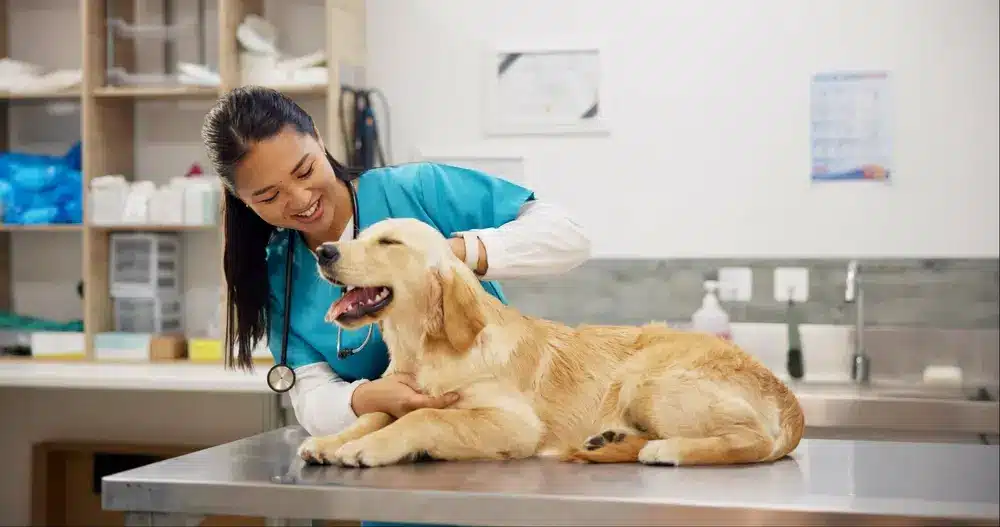
Most reputable shelters and rescues will have performed a full veterinary check-up, administered necessary vaccinations, and spayed or neutered the dog before adoption. Always ask for a copy of these records.
Evaluating temperament and training needs
Spend quality time with the dog before committing. Ask the staff about its known behaviors, fears, and any training it has received. Be prepared to invest time in continued training to build a strong bond and ensure good manners.
Adoption Fees and Contracts
Adoption is not free, but the cost is a worthwhile investment in your new best friend.
Typical costs of adopting a dog
Fees can range from under $100 to several hundred dollars. This cost typically covers initial vetting, microchipping, food, and shelter while the dog was in their care. It’s a fraction of the cost of buying a dog from a breeder.
What contracts usually include
You will sign an adoption contract that legally transfers ownership. This document often includes clauses requiring you to provide proper care, and a “return clause” stating that if you can no longer keep the dog, you must return it to the organization.
Essential Adopting a Dog Tips
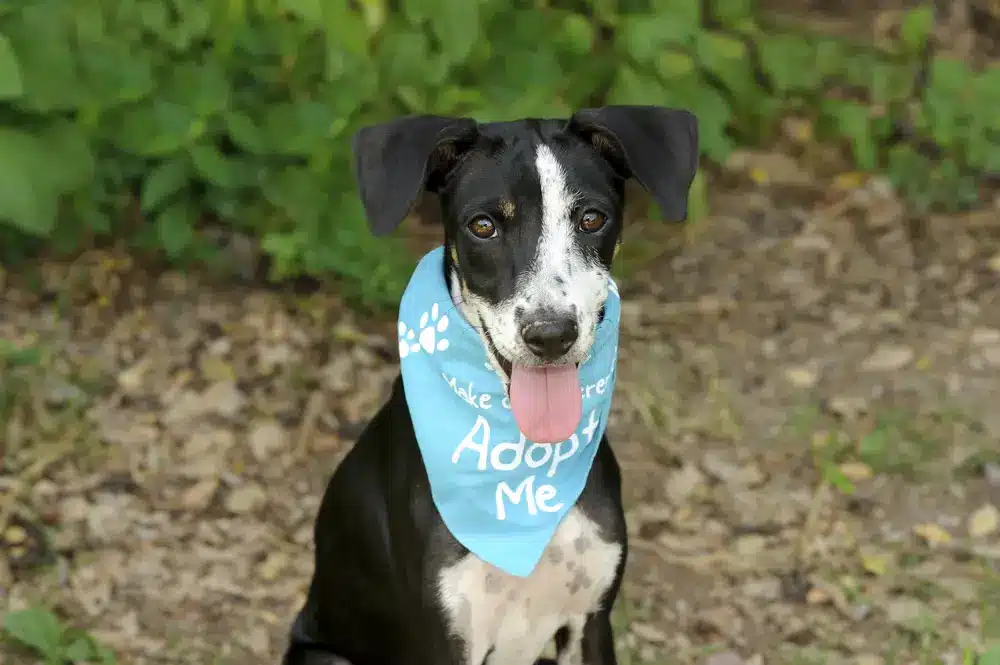
You’ve found the perfect dog and signed the papers. Now it’s time to bring them home.
Before your new dog arrives, “puppy-proof” your home by securing loose wires, putting away toxic chemicals, and removing anything they might chew on. Set up their food and water bowls in a designated area.
Every dog needs a sanctuary—a place that is theirs alone where they can rest and feel secure. This is especially important for a rescue dog who is adjusting to a new environment. A comfortable, high-quality bed is the centerpiece of this safe space. J’adore Custom Pet Beds are perfect for this, as you can design a bed that fits your dog’s size and your home’s decor, giving them a cozy spot to decompress and feel safe from day one.
The first few weeks are a critical adjustment period. Be patient and give your dog space. Introduce them to your home on a leash and show them their bed, water, and where to go potty.
Consistency is key. Establish a predictable routine for feeding, walks, and potty breaks. This structure helps your new dog feel secure. Use positive reinforcement training to build trust and teach them the rules of their new home.
Common Mistakes to Avoid When Adopting a Dog
Avoid these common pitfalls to ensure your adoption journey is a success.
Don’t adopt a dog on impulse. Take the time to research, visit with different dogs, and speak with adoption counselors to make an informed choice.
Remember to budget for ongoing costs beyond the adoption fee, including food, vet visits, grooming, and potential emergency care.
Think about your life in 5, 10, or 15 years. Will a dog still fit into your plans if you move, have children, or change jobs? A dog is a commitment for their entire life.
Conclusion: Giving a Dog a Forever Home
The journey of adopting a dog is filled with emotion and excitement. By preparing properly and being patient, you can give a deserving animal the greatest gift of all: a safe, loving, and permanent family. The love, loyalty, and companionship you receive in return are immeasurable. When you’re ready, adopt responsibly and change a life forever.