Deciding to bring a dog into your home is an exciting journey. One of the first questions you’ll face is whether to get a big or small dog. While it might seem like a simple preference, the size of your future companion has a major impact on your lifestyle, home, and finances. This guide will walk you through everything you need to know to make the best choice for you and your future furry friend. We will explore the key differences between dog sizes to help you find your perfect match.


Before you can choose, it’s helpful to understand what defines each size category. While kennel clubs have specific breed standards, general size considerations are a great starting point for any potential pet parent.
Thinking about a dog’s physical size is about more than just how much space they take up on the sofa. It influences everything from the type of car you need to how you manage walks. A large dog can easily reach items on countertops, while a small dog might need help getting onto furniture. These practical details shape your daily life together.
Your living situation is a major factor. Small dogs are often well-suited for apartment living, as they need less indoor space to be comfortable. However, many large breeds can also thrive in smaller homes if they get enough daily exercise and mental stimulation. A house with a fenced yard is a bonus for any size dog, but is particularly beneficial for larger, more active breeds.
All dogs need daily exercise, but the intensity and duration vary greatly by size and breed. A Saint Bernard might be content with a steady daily walk, while a much smaller Jack Russell Terrier could require hours of active play. It’s crucial to match a dog’s energy needs with your own activity level.



Making the right choice involves looking at your personal habits, home environment, and long-term capacity to care for a pet. Let’s break down the most important factors.
Are you an early morning runner or a weekend hiker? Or do you prefer quiet evenings at home? A high-energy dog will need a family that can keep up, providing outlets like running, fetch, or agility training. Lower-energy breeds, regardless of size, are often happy with more relaxed daily walks and plenty of cuddle time.
Grooming is another key consideration. Long-haired breeds of any size require regular brushing to prevent matting, while short-haired dogs need less frequent care. Large, double-coated dogs like Huskies or Golden Retrievers shed heavily, meaning you’ll spend more time cleaning. Professional grooming costs can also be higher for bigger dogs.
Generally, smaller dog breeds tend to live longer than larger breeds. A Chihuahua might live for 15-20 years, whereas a Great Dane’s average lifespan is closer to 7-10 years. Different sizes are also prone to specific health issues. Large breeds are more susceptible to joint problems like hip dysplasia, while small breeds can face dental issues or patellar luxation.

There’s something uniquely comforting about a large, gentle giant. But owning a big dog comes with its own set of rewards and responsibilities.
Large dogs often make fantastic companions for active families. They can be great running or hiking partners, and their typically calmer, more patient demeanor can make them wonderful with older children. Their size can also be a deterrent to intruders, providing an added sense of security.
Everything costs more with a big dog—food, vet care, and boarding. They require more space, both indoors and out. Training is also non-negotiable; a large, untrained dog can be difficult to manage and can accidentally injure someone simply due to their size and strength.
The ideal home for a large dog is one with enough room for them to move around comfortably. While a house with a yard is perfect, an active owner in an apartment can also provide a great home. The key is consistent, daily exercise and mental engagement to keep them happy and well-behaved.
For many, a medium-sized dog offers the perfect middle ground. They blend the sturdiness of a large dog with the manageability of a smaller one.
Medium dogs, like Beagles or Border Collies, are often adaptable to various living situations. They are sturdy enough to play with children, but not so large that they overwhelm the household. This versatility makes them a popular choice for first-time dog owners and growing families.
Temperament in this category is incredibly diverse. You can find everything from the high-octane energy of an Australian Shepherd to the more laid-back nature of a Basset Hound. Researching specific breed temperaments is essential to finding a dog that aligns with your family’s energy.
Most medium-sized dogs thrive with a daily walk and some dedicated playtime. They are generally adaptable to apartment living, provided their exercise needs are met. They fit well into the rhythm of a typical family, ready for a weekend adventure or a quiet night in.
Small dogs pack a huge amount of personality into a tiny package. They can be wonderful pets, especially for those with space or mobility constraints.
Small dogs are easy to manage in smaller living spaces and are less expensive to feed and care for. They are also portable, making it easier to travel with them. Many small breeds are bred for companionship and will happily spend their days as a loving lapdog.
Their small size makes them more delicate and prone to injury from falls or rough play. They can also be more sensitive to cold weather. Dental health is a common concern for small breeds, requiring regular attention and professional cleanings.
Small dogs are perfect for apartments, condos, and homes without large yards. They are a great choice for seniors or individuals who may not be able to handle a larger, stronger dog. They thrive in households where they can be a close companion.
The financial commitment of dog ownership is significant, and it varies dramatically with size.
A big dog eats much more than a small one, leading to higher monthly food bills. Veterinary care, including medications and preventative treatments, is often priced by weight, making it more expensive for larger animals. Even accessories like collars, beds, and crates cost more for bigger dogs.
Finding a pet-sitter or a boarding kennel that can accommodate a giant breed can be more challenging and expensive. When traveling, many airlines have weight restrictions for in-cabin pets, meaning most large dogs must travel in cargo, which can be stressful and costly.
Over a dog’s lifetime, the cost difference between a large and small breed can amount to thousands of dollars. It’s vital to honestly assess your budget before committing to a dog, ensuring you can provide for them for their entire life.

The perfect dog for you is the one that fits seamlessly into your life.
Take an honest look at your daily life. A family that loves outdoor adventures might be a great match for a large, active dog. A quieter household may be better suited for a small companion breed. Compatibility is the most important ingredient for a happy, long-term relationship.
If you have children, consider a breed known for being patient and sturdy. Proper socialization from a young age is crucial for any dog to ensure they are comfortable around kids and other animals. Always supervise interactions between dogs and young children.
Local animal shelters and breed-specific rescues are fantastic places to find your new best friend. The staff and volunteers at these organizations know the animals well and can help you find a dog with a temperament that matches your lifestyle. Adopting not only saves a life but also gives a deserving dog a second chance.



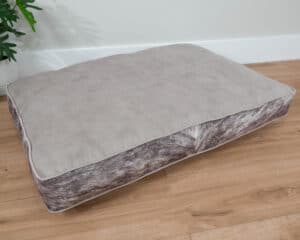
Once you’ve chosen your dog, creating a welcoming environment is the next step. A comfortable, supportive bed is one of the most important purchases you can make.
A dog’s bed should be large enough for them to stretch out completely. For crate training, the crate should be just big enough for them to stand up and turn around in. Providing a dedicated, comfortable space gives your dog a sense of security.
A quality bed does more than just provide comfort. Orthopedic beds support a dog’s joints and bones, which is especially important for large breeds prone to arthritis and hip dysplasia. A supportive bed can improve sleep quality and overall health for dogs of all sizes.
Every dog is unique. Custom pet beds from J’adore allow you to choose the perfect size, support level, and material for your specific dog’s needs. Investing in a high-quality, custom bed is an investment in your dog’s long-term health and happiness, ensuring they have a safe and restorative place to rest for years to come.

Ultimately, there is no one-size-fits-all answer to the question of a big or small dog. The best choice depends entirely on you, your family, and your lifestyle.
Instead of focusing only on size, consider a dog’s energy level, temperament, and grooming needs. The most successful adoptions happen when a dog’s needs and an owner’s lifestyle are in perfect harmony.
Whether you choose a tiny Chihuahua or a majestic Great Dane, you are committing to loving and caring for them for their entire life. Do your research, be honest about your capabilities, and choose a companion who truly fits your world.
Start your journey at local shelters and rescue groups. And when you bring your new friend home, ensure they have the best. Explore J’adore’s collection of custom, orthopedic pet beds to give your dog the comfort and support they deserve.