


We all have that instinct. You bring something new into your home—a notebook, a denim jacket, or yes, a dog crate—and immediately think, “How can I make this mine?”
With pet gear, this urge is even stronger because it’s not just about us; it’s about the creature we love. We want their space to feel special. We want it to reflect their personality and fit seamlessly into the life we share with them. A standard wire crate is functional, but it’s rarely personal. It’s a blank, industrial canvas that practically begs for a human touch.
So, the DIY wheels start turning. Maybe it’s an iron-on patch of their name. Maybe it’s a bit of decorative ribbon glue-gunned to the edge of a blanket. These projects are fun, creative, and full of heart. But when it comes to something as large and central as a crate cover, personalization can be tricky. It’s a fine line between “charming homemade touch” and “visual clutter.”
Why Personalization Matters More Than Decoration
There is a distinct difference between decorating something and personalizing it. Decoration is often about adding more—more color, more frills, more stuff. Personalization is about adding meaning.
When we talk about a personalized dog crate cover, we aren’t just talking about making it pretty. We are talking about integration. A crate is a large object. In a living room or bedroom, it takes up real visual real estate. Personalizing it is the process of helping it belong.
It shifts the narrative of the object. Instead of “that cage in the corner,” it becomes “Cooper’s Den.” It stops being an eyesore you try to ignore and starts being a piece of furniture you are happy to look at. This shift in perspective is powerful. It changes how you feel about the crate, which in turn changes how your dog feels about it. If you are relaxed and happy with the space, they are more likely to be too.
The Difference Between Adding Details and Designing With Intention
DIY dog crate cover personalization often starts with the question, “What can I add?” But design-forward thinking starts with, “What does this space need?”
Adding details can sometimes feel like sticking a bumper sticker on a luxury car. It might express something, but it doesn’t necessarily enhance the lines of the vehicle. Designing with intention means considering the whole picture. It means looking at the fabric, the room’s color palette, and the dog’s needs before you ever pick up a needle or a glue gun.
Custom dog crate cover ideas that work best are usually the simplest ones. It might be choosing a specific trim that matches your throw pillows. It might be a monogram that is subtle and tone-on-tone rather than bold and contrasting. Intentional design is quiet. It doesn’t shout for attention; it just feels right.
How Small Details Change How a Crate Feels in a Room
You would be surprised how much a single detail can change the vibe of a room. A raw-edged drop cloth over a crate says “utility.” It says, “We are dealing with a puppy mess right now.”
But take that same piece of fabric, hem the edges, and add a simple line of piping in a contrasting color? Suddenly, it says “tailored.” It says, “This is a permanent, respected part of our home.”
This is the power of dog crate cover home décor. It elevates the functional to the beautiful. A stylish dog crate cover doesn’t hide the crate; it dresses it. It treats the crate with the same respect you would give an armchair or a side table. Those small, intentional details signal to guests (and yourself) that this isn’t just a cage; it’s a room within a room.
Names, Trims, and Accents: The Most Common DIY Personal Touches
When people start brainstorming DIY ideas, they usually gravitate toward a few classics. Names and trims are the bread and butter of personalization. They are accessible, understandable, and carry a lot of emotional weight. Who doesn’t want to see their dog’s name proudly displayed?
However, executing these ideas at home can be harder than it looks on Pinterest. The materials you choose and where you place them determine whether the result looks like a high-end custom piece or a temporary craft project.
Adding a Name Without Overpowering the Design
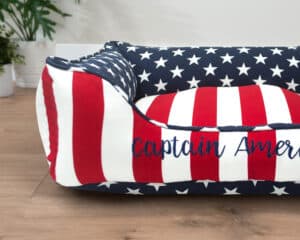
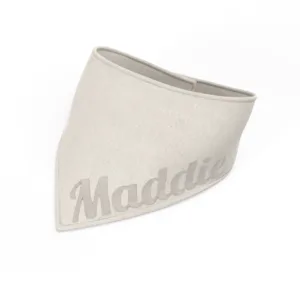
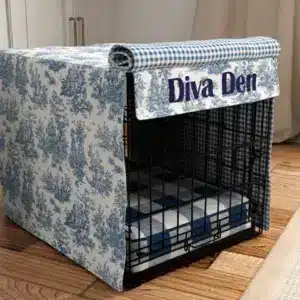
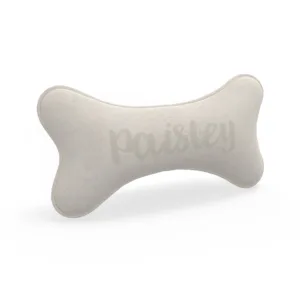
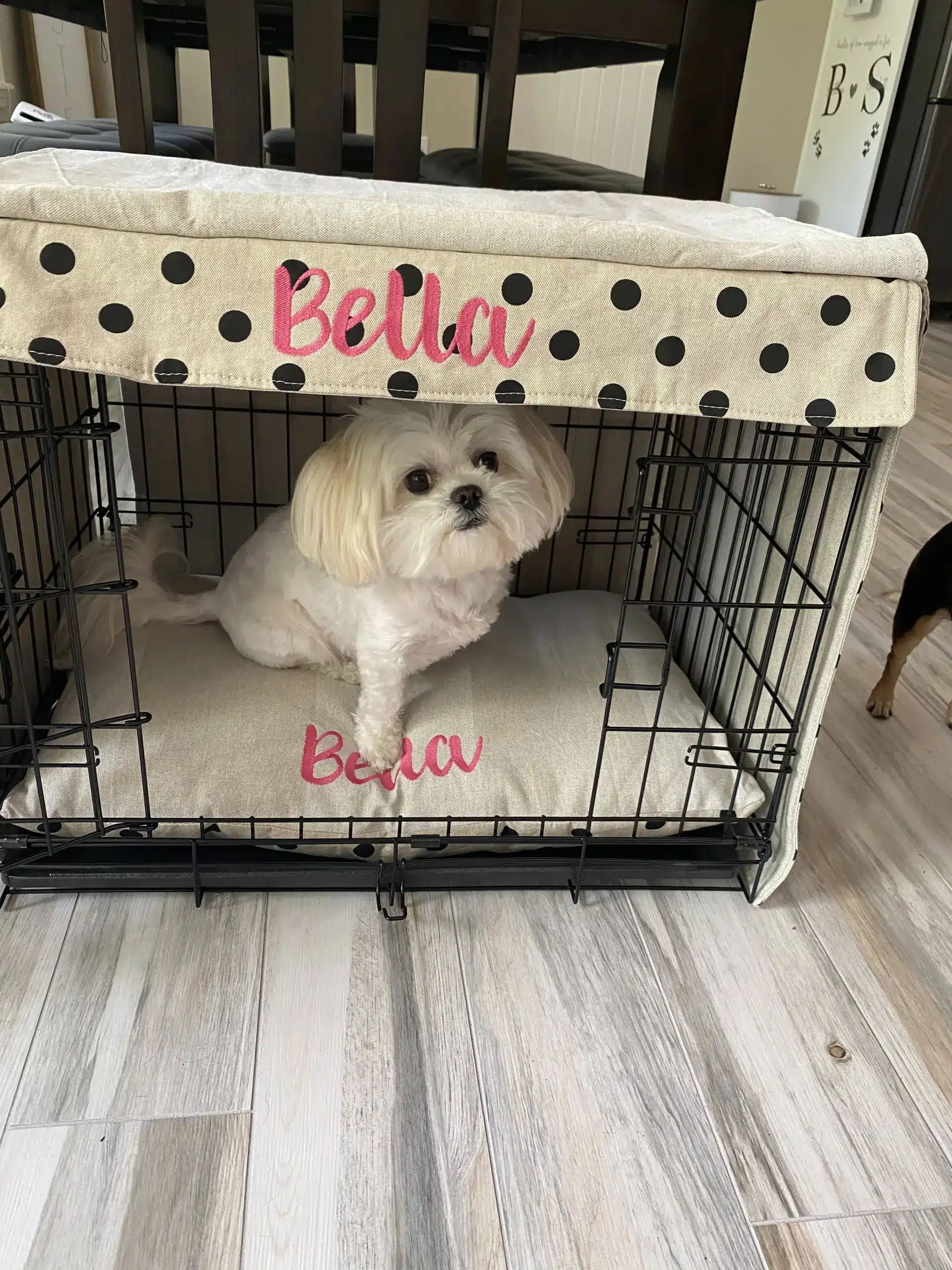
A dog crate cover with name personalization is a classic choice. It claims the space. But size and placement are everything.
In DIY projects, the tendency is to go big and center. We buy large, blocky iron-on letters and stick them right in the middle of the front panel. While bold, this can often overwhelm the design. It turns the cover into a billboard.
A more sophisticated approach is subtlety. Think about where a brand places its logo on a nice polo shirt—small, on the chest, unobtrusive. A custom name dog crate cover often looks best when the name is scaled down and placed thoughtfully—perhaps on the bottom right corner of the door panel, or centered but in a font that isn’t too heavy. Personalized crate cover DIY projects succeed when the name is a discoverable detail, not the first thing you see from across the room.
Trim, Piping, and Contrast Details That Age Well
Trim is another popular DIY upgrade. Adding a ribbon border or some piping along the seams can define the shape of the cover and add a pop of color.
The key to a decorative dog crate cover that ages well is material quality. Satin ribbons or cheap craft lace tend to fray, snag, and look worn very quickly. They are designed for gift wrapping or light apparel, not for furniture that a dog lives in.
For custom crate cover accents that last, look for upholstery-weight trims. Cotton twill tape, heavy grosgrain, or actual upholstery piping are better choices. They have a matte finish that looks more expensive and the durability to handle friction. A dog crate cover trim should feel as substantial as the fabric it is attached to.
Why Restraint Often Looks More Polished Than Excess
In the excitement of creating, it’s easy to overdo it. A name, plus a bow, plus a patch, plus contrasting trim… it adds up fast.
The most timeless dog crate design relies on restraint. It’s the “Coco Chanel rule” applied to pet gear: take one thing off before you leave the house. A minimalist dog crate cover allows the quality of the fabric and the clean lines of the fit to shine.
If you have a beautiful, textured canvas fabric, you might not need trim at all. Maybe the texture is enough. If you have a bold name embroidery, maybe you skip the contrast piping. A modern dog crate cover feels calm. It doesn’t assault the eyes with visual noise. It trusts that less is usually more.
Where DIY Personalization Works Well
There are definitely areas where DIY shines. If you want to add a personal touch without risking the structural integrity of the cover, stick to low-risk, high-reward updates. These are projects that allow you to scratch that creative itch without needing an industrial sewing machine.
Surface-Level Details That Don’t Affect Fit or Function
The best DIY dog crate cover ideas are those that live on the surface. These are embellishments that don’t interfere with how the cover sits on the crate or how the door panels roll up.
Think about things like:
- Removable Patches: Using Velcro or safety pins to attach a cute patch. If you get tired of it, you can take it off without leaving a mark.
- Decorative Ties: Swapping out basic fabric ties for a specific color of sturdy cord or rope that matches your decor. This is an easy personalization crate cover hack that changes the look instantly.
- External Tags: Sewing a small leather or fabric tag onto the hem. It’s a tiny detail that adds a professional “maker” vibe.
These are DIY crate cover upgrades that are safe. They add personality but don’t change the physics of the cover.
Projects That Stay Flexible and Low Commitment
If you aren’t sure what your style is yet, or if you like to change things up seasonally, keep your personalization temporary.
Temporary crate cover personalization is great for holidays. Maybe you attach a red bow for December or a floral accent for spring. Because these aren’t permanent, you don’t have to worry about them wearing out over years of use. No sew crate cover details, like using fabric glue for a small appliqué, can be fun for a beginner DIY crate cover project. Just remember that “no sew” usually means “less durable in the wash,” so use these methods sparingly on items you plan to launder often.
Where DIY Personalization Starts to Complicate Things
The trouble starts when we try to alter the structure of the cover or add details that require precision beyond what standard home tools can offer. What looks easy in a tutorial can quickly become a headache in practice.
Alignment Issues, Crooked Placement, and Visual Noise
The human eye is incredibly good at spotting asymmetry. If you iron a name onto a panel and it is just half an inch crooked, you will notice it every single time you walk past the crate.
DIY crate cover mistakes often happen during placement. Fabric shifts. Iron-on transfers slip. Sewing machines pull fabric unevenly. Trying to center a large design on a flexible piece of fabric is deceptively difficult. This leads to dog crate cover design problems where the finished result looks “homemade” in the messy sense, creating visual noise rather than the sleek look you wanted. A homemade crate cover with crooked trim can make the whole room feel slightly disordered.
Durability Problems After Washing and Daily Use
You finished your project, and it looks great. Then comes laundry day.
This is the ultimate test for a washable dog crate cover. Many DIY materials—like fabric glue, iron-on vinyl, or craft ribbons—are not built for the agitation of a washing machine. Vinyl peels and cracks. Glue dissolves or hardens into an uncomfortable lump. Ribbons shred.
DIY crate cover durability is often lower because the bond between the embellishment and the base fabric isn’t strong enough. A heat-pressed vinyl name might look perfect on day one, but after three washes and a dog scratching at it, it starts to lift. Crate cover wear and tear is real, and surface-level DIY additions are usually the first things to fail.
When Added Details Interfere With Fit and Structure
Sometimes, adding something actually ruins the function. If you sew a heavy patch onto a lightweight fabric, it can cause the fabric to sag or pull in that area. If you add thick piping to a seam without adjusting the size of the panel, you might find that the cover is suddenly too tight.
Dog crate cover fit issues are common when DIYers try to add structural details like pockets or heavy trim. These additions change the weight and drape of the fabric. DIY crate cover sizing problems arise because we forget that every layer we add takes up space or changes how the fabric hangs. In the custom vs DIY crate cover debate, this is where custom wins—because the pattern accounts for the weight of every detail from the start.
Why Built-In Customization Feels Cleaner and More Cohesive
There is a reason why a professionally personalized item looks different than a DIY one. It’s not just about better tools; it’s about the order of operations.
In a custom shop, personalization isn’t an afterthought. It isn’t a sticker added to a finished product. It is built into the construction process.
Designing Details Into the Pattern From the Start
When you order a custom dog crate cover, the personalization happens while the fabric is still flat, before it is ever sewn into a 3D shape.
If you want a name embroidered, it is hooped and stitched onto the cut panel before the hem is turned. If you want contrast piping, it is sewn into the seam as the panels are joined, not top-stitched on later. This integrated approach means the details are part of the DNA of the cover. A made to order crate cover feels cohesive because the embellishments are structurally sound.
Why Integrated Personalization Washes and Wears Better
Because the details are sewn in, not stuck on, they last longer. Embroidery thread is dyed to be colorfast and is stitched through the fabric, making it virtually impossible to peel off. Piping that is sewn into a seam is anchored by multiple lines of stitching.
A durable personalized crate cover can handle the washing machine because the materials are compatible. The thread shrinks at the same rate as the fabric. The trim is pre-shrunk. This compatibility ensures that your high quality dog crate cover comes out of the dryer looking just as sharp as it went in. A long lasting crate cover is one where the decorations don’t become liabilities.
The Visual Difference Between Added-On and Built-In Details
You can usually spot the difference from across the room. Added-on details sit on top of the fabric. Built-in details sit within the design.
Why Custom Placement Looks Intentional, Not Decorative
Intentionality is about flow. When a detail is built-in, it flows with the lines of the crate. The trim highlights the architecture of the panels. The name sits perfectly centered because the machine was calibrated to the millimeter.
A tailored dog crate cover has a stillness to it. The eye glides over it. Decorative additions often interrupt that flow. They stop the eye. A structured dog crate cover uses personalization to enhance the form, whereas DIY often uses it to distract from the form. This is the hallmark of true crate cover craftsmanship—making the difficult work look effortless.
How Proportion and Spacing Affect the Final Look
Designers obsess over white space—the empty space around the design. In a DIY project, we often fear empty space, so we fill it. But in professional design, space is luxury.
Professional embroidery is sized specifically for the panel it lives on. It respects the margins. It isn’t too close to the hem or too high up near the top. Dog crate cover design balance relies on these invisible rules of proportion. Crate cover proportions that are slightly off—a name that is 10% too big or trim that is 10% too wide—create that subtle sense that something isn’t quite right. Intentional home styling pet products get these ratios right, creating a sense of harmony.
Personalization Through Fabric Choice Instead of Embellishment
Here is a secret from the design world: sometimes the best personalization has nothing to do with names or trims. It’s simply about the fabric.
Choosing a unique, high-quality fabric is the ultimate form of customization. It says, “I chose this texture for this space.” It doesn’t need a label because the material speaks for itself.
Letting Color, Texture, and Weave Do the Work
A custom fabric dog crate cover in a rich, slate blue canvas personalizes a room far more effectively than a beige sheet with a name patch. The color becomes the feature.
Texture is equally powerful. A textured dog crate cover in a heavy twill adds depth and warmth. It catches the light differently than a flat cotton. By focusing on the weave and the hand of the fabric, you are personalizing the feeling of the object. A neutral dog crate cover in a stunning fabric is never boring; it is sophisticated.
Why Fabric Often Communicates More Than Added Details
Fabric sets the tone. A ticking stripe says “classic farmhouse.” A solid grey canvas says “modern industrial.” A soft beige twill says “scandi minimalist.”
These choices communicate your style instantly. Dog crate cover design ideas that focus on the textile are often the most successful because they integrate the crate into your home’s story. A stylish dog crate cover matches the sofa or the curtains, creating a thread of continuity. Crate cover home décor is about this conversation between objects, and fabric is the language they speak.
When DIY Is Part of the Process, Not the End Result
There is absolutely a place for DIY in your journey. In fact, we often recommend it as a research phase.
Trying to personalize a temporary cover helps you learn what you actually like. You might think you want a bright red trim, so you try it with a ribbon on a temporary setup. After living with it for a week, you might realize it’s too loud and you actually prefer something tonal.
Learning What Matters Before Committing Long-Term
Use DIY to test your theories.
- Do you really want the dog’s name on the front, or do you prefer a clean look?
- Do you like the look of contrast piping, or does it make the crate look too boxy?
This DIY vs custom dog crate cover testing phase is valuable. It prevents buyer’s remorse. It serves as a crate cover decision guide. You can design your own crate cover in your head, test the concepts cheaply, and then order the permanent version with confidence.
Why Many Pet Owners Transition From DIY to Custom
Most of our customers didn’t start with custom. They started with a blanket. Then maybe they tried a DIY modification. Eventually, they realized that while the idea of the personalization was right, the execution was hard to maintain.
The transition happens when you want that polished look permanently. Custom dog crate cover benefits become clear when you realize you can have the exact color and detail you want, but with the durability of professional manufacturing. A made to measure crate cover is the graduation point. It’s where your personal style meets professional longevity. Personalized crate cover value isn’t just about the name on the door; it’s about the years of use you get from a product that fits your life perfectly.
Choosing Personalization That Still Feels Calm Over Time
Trends move fast. What looks cute on Instagram today might look dated in two years. When you are personalizing something you plan to keep, aim for timelessness.
Avoiding Trend-Driven Details That Date Quickly
Fonts are a big giveaway of trends. The popular “handwritten script” font of 2015 looks very different from the bold sans-serifs of today. Specific motifs (like mustaches, crowns, or certain geometric patterns) also date a product quickly.
A timeless dog crate cover avoids these fleeting markers. It sticks to classic fonts, traditional trims, and enduring colors. A modern dog crate cover can still be classic if it relies on clean lines rather than trendy graphics. Pet friendly home design should last as long as your furniture does.
Designing for Long-Term Satisfaction, Not Short-Term Novelty
Ask yourself: “Will I still like this in three years?”
If the answer is maybe not, skip the permanent personalization. Stick to a high quality dog crate cover in a beautiful, solid fabric. You can always add a trendy blanket inside or a seasonal toy nearby. A long lasting crate cover is the foundation; let the accessories be the trends. Intentional design pet products are built to be the calm anchor in a changing room.
Common Questions About DIY Personalization for Dog Crate Covers
What’s the Easiest Way to Personalize a Crate Cover?
The easiest and safest way is to use removable accessories. Tie a high-quality ribbon around the rolled-up door panel, or attach a stylish luggage tag with your dog’s name to the zipper pull or tie. These add a personal touch without permanently altering the fabric, and they can be changed instantly if your taste changes or if you need to wash the cover.
Does Adding a Name or Trim Affect Washability?
Yes, it often does. Different materials shrink at different rates. If you sew a polyester ribbon onto a cotton canvas cover, the canvas might shrink in the wash while the ribbon doesn’t, causing puckering. Iron-on vinyls can crack or peel in hot water or dryers. Built-in customization from a professional shop is designed to wash evenly, whereas DIY additions often require delicate hand-washing to preserve them.
When Is Built-In Customization Worth It?
It is worth it when you want longevity and a polished aesthetic. If the crate is in a main living area where guests see it, or if you plan to use the cover for the life of the dog, built-in details offer a much higher return on investment. They withstand cleaning, maintain their shape, and look like a cohesive part of your home decor rather than a craft project.
How Do You Personalize Without Overdoing It?
Stick to the “one element” rule. If you choose a bold fabric color or pattern, skip the embroidery and contrast trim. If you choose a neutral fabric, add one subtle detail—like tonal piping or a small, centered name. Restraint is key. Let the fit and the fabric quality do 90% of the work, and let the personalization be the final 10% that makes it yours.
0 Comment