



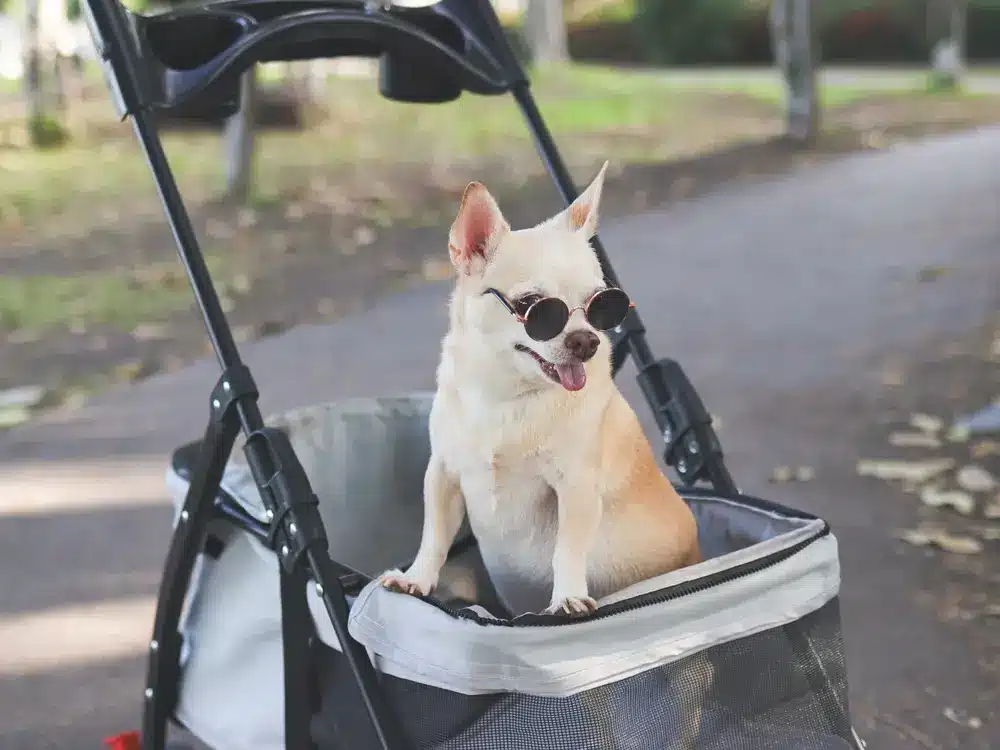


As crisp autumn air replaces the summer heat, you might find yourself reaching for a cozy sweater. But what about your four-legged friend? If you have a short-haired dog, you may wonder if they feel the chill as much as you do. The answer is yes, and they rely on you to help them stay comfortable and safe. Understanding their needs is the first step in providing the best care during the cooler months.
This guide will walk you through everything you need to know about how to keep short haired dogs warm. We’ll explore why they need extra protection, how to spot signs of being cold, and practical ways to ensure they stay snug all season long.
Why Short Haired Dogs Need Extra Warmth
Not all dog coats are created equal. While a Husky is built for arctic temperatures, a Vizsla is not. The primary function of a dog’s coat is insulation, and dogs with short, thin fur simply have less of it.
Differences between short and long coats
A dog’s coat has two layers: a dense, soft undercoat for insulation and a topcoat of coarser guard hairs to repel water and dirt. Breeds like Siberian Huskies or Newfoundlands have thick double coats that trap air, creating a natural thermal layer. Short-haired breeds often lack a significant undercoat, leaving them with minimal protection against the cold. Their single layer of fur offers little defense when the temperature drops.
Common breeds that feel the cold more
Several popular breeds are more sensitive to colder weather due to their short coats, small size, or low body fat percentage. These include:
- Greyhounds and Whippets
- Chihuahuas
- Pugs and French Bulldogs
- Beagles
- Boxers
- Great Danes
- Pit Bull Terriers
If your companion is on this list, it’s important to be extra vigilant as fall sets in.
Risks of chilly fall weather for sensitive dogs
Exposure to cold can pose real health risks. For short-haired dogs, chilly fall weather can lead to hypothermia, a dangerous drop in body temperature. They are also more susceptible to developing a cough or other respiratory issues. Elderly dogs, puppies, and those with existing health conditions are at an even greater risk.
Signs Your Short Haired Dog is Cold
Your dog can’t tell you they’re cold, but they will show you through their behavior. Learning to recognize these signs allows you to act quickly and get them warmed up.
Shivering and trembling
Shivering is an involuntary muscle response designed to generate heat. It’s one of the most obvious signs that your dog is uncomfortably cold. If you notice your dog trembling after being outside or even inside the house, it’s a clear signal they need more warmth.
Curling up tightly or seeking blankets
A cold dog will often try to conserve body heat by curling into a tight ball. You might find them tucked into the corner of a sofa or trying to burrow under pillows and blankets. They are instinctively trying to create a warm, den-like space for themselves.
Reluctance to go outside
Is your normally enthusiastic pup suddenly hesitant to go out for their morning potty break? This change in behavior could be because the cold ground and brisk air are uncomfortable. They may whine, pull back on the leash, or run back to the door as soon as they’ve done their business.
Best Ways to Keep Short Haired Dogs Warm in the Fall
Keeping your dog cozy is simple with a few thoughtful adjustments to their environment and routine. Here are the best ways to ensure their comfort and health.
1. Provide a Cozy Dog Bed
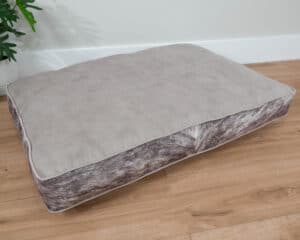
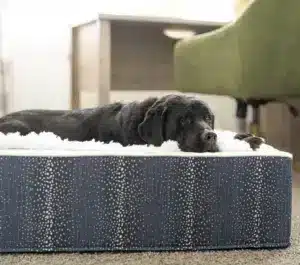
A warm place to rest is essential. The floor can be cold and drafty, especially at night. A quality dog bed provides crucial insulation from the ground.
Benefits of insulated and raised pet beds
Insulated beds often feature materials like sherpa fleece or self-warming thermal inserts that reflect your dog’s body heat back to them. Raised or elevated beds keep your dog off the cold floor entirely, protecting them from drafts and providing orthopedic support.
Why custom pet beds offer better comfort
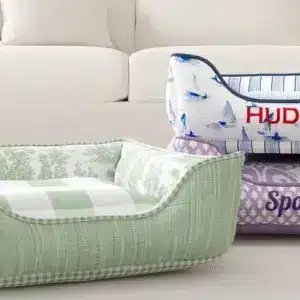
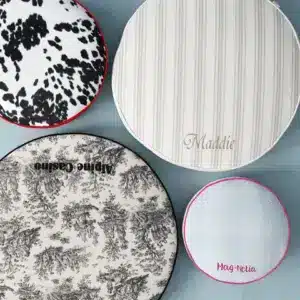
Every dog is unique, and their bed should be too. Custom pet beds from J’adore allow you to choose the perfect size, shape, and materials to match your dog’s specific needs. A bed that is just the right size allows your dog to curl up and feel secure, maximizing warmth and comfort for a perfect night’s sleep.
2. Use Dog Sweaters and Jackets
A sweater or jacket is like a portable blanket for your dog. It acts as a layer of insulation to trap body heat, keeping their core warm during walks or time spent in a chilly house.
Choosing the right fabric for fall weather
For crisp fall days, a fleece or wool-blend sweater is often sufficient. On rainy or windy days, look for a waterproof or wind-resistant jacket. The fabric should be breathable to prevent your dog from overheating while still providing adequate warmth.
Proper fit for safety and warmth
A dog’s coat should fit snugly but not be restrictive. It should not chafe under their legs or be too tight around the neck. Ensure it covers their back from the base of the neck to the tail for maximum effectiveness.
3. Keep Them Warm Indoors
Your dog spends most of their time inside, so creating a warm indoor environment is key.
Adjusting room temperature
If you feel a chill in the house, your short-haired dog definitely does. Consider turning the thermostat up a few degrees, especially during the colder parts of the day and overnight.
Creating cozy resting areas with blankets
Make sure your dog has access to warm spots throughout the house. Place soft blankets or their custom bed in their favorite napping areas, such as near a sunny window or in a draft-free corner of the living room.
4. Protect Them Outdoors
Outdoor adventures don’t have to stop when it gets cold, but they do require more planning.
Limiting time outside on cold mornings/evenings
Pay attention to the forecast. Mornings and evenings are the coldest parts of the day. Keep walks shorter during these times. The middle of the day, when the sun is out, is often the best time for longer excursions.
Using paw protection on cold or damp ground
A dog’s paw pads are sensitive to cold surfaces. Frost or even just cold, damp pavement can be uncomfortable. Consider using dog booties to protect their paws. They provide a barrier and can also improve traction on wet leaves.
5. Nutrition and Exercise Support
What your dog eats and how they move can also impact their ability to stay warm.
High-quality food to support healthy coat and energy
Metabolizing food generates heat, and a well-fed dog is better equipped to regulate their body temperature. A diet rich in high-quality protein and healthy fats supports a strong, healthy coat and provides the energy needed to stay warm.
Indoor play ideas when it’s too chilly outside
When the weather is just too miserable for a long walk, keep your dog active indoors. Games of fetch in a hallway, puzzle toys, or a short training session can provide mental and physical stimulation, helping them burn off energy and stay happy.
Seasonal Tips for Fall Comfort
A smooth transition into the colder season will help your dog adjust without stress.
Transitioning from summer to fall routines
Gradually introduce your dog to wearing a sweater or jacket. Start with short periods indoors to get them used to the feeling. Slowly adjust your walk schedule to take advantage of the warmest parts of the day.
Preparing for colder nights early in the season
Don’t wait for the first frost to think about your dog’s sleeping arrangements. Ensure their bed is ready for colder temperatures before they need it. Add an extra blanket or move their bed to a warmer location as the nights begin to cool down.
Conclusion: Keeping Your Pup Cozy and Healthy
For owners of short-haired dogs, fall requires a little extra planning. By paying attention to their cues and making a few simple adjustments, you can easily keep them warm, happy, and safe. Being proactive is the best way to prevent discomfort and potential health issues.
Ultimately, your dog’s comfort contributes directly to their overall well-being. A warm and secure dog is a happy dog, ready to enjoy all the fun activities the autumn season has to offer right by your side.
Give Your Pet the Comfort They Deserve
Crafted by hand, built to last, and designed to match your home. Create the perfect bed for your best friend.
Customize Their Bed
0 Comment